

Lift check valve Manufacturer in China
Short travel is what makes a lift check valve close fast: the disc drops onto the seat the moment flow reverses, instead of swinging ninety degrees. That is why it suits small-bore, medium-high pressure lines. Our Longz lift check valve comes in straight-through form for horizontal runs and vertical form for risers — flow upward through both.
Various types of Our lift check valve

The disc and seat sealing surfaces of this axial flow check valve are welded with cobalt-based alloy, or feature a combination of non-metallic and metallic seals, ensuring stable product performance and a long service life. The end connections use either welded ends or flange connections, you can choose the connection method based on pipeline requirements to meet various engineering needs.
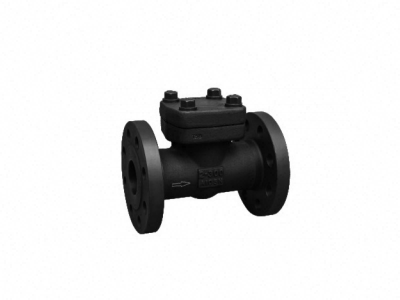
Designed and manufactured in accordance with API 602 and ASME B16.32, the forged steel lift check valve delivers reliable performance under demanding service conditions involving water, steam, oil and corrosive media, and is well suited to a broad range of industrial applications.
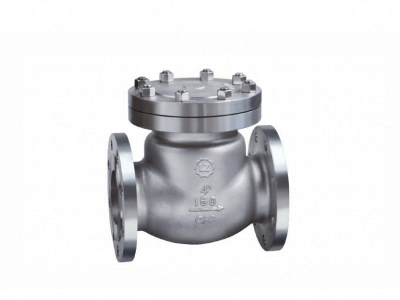
The sealing surface of the valve seat and the valve body is welded with iron-based alloy or Stellite hard alloy, which is wear-resistant, heat-resistant, corrosion-resistant, has good abrasion resistance, and has a long service life.
Automatic pressure relief structure of lift check valve
Where our Longz stainless steel lift check valve belongs: pump discharge, where reverse rotation wrecks impellers and couplings. Steam trap outlets, where backflow floods the trap and waterlogs your exchanger. High-pressure water and oil lines, where a short-travel metal-seated disc holds shutoff at differentials a swing check would be oversized for.

Your Trusted lift check valve supplier in China

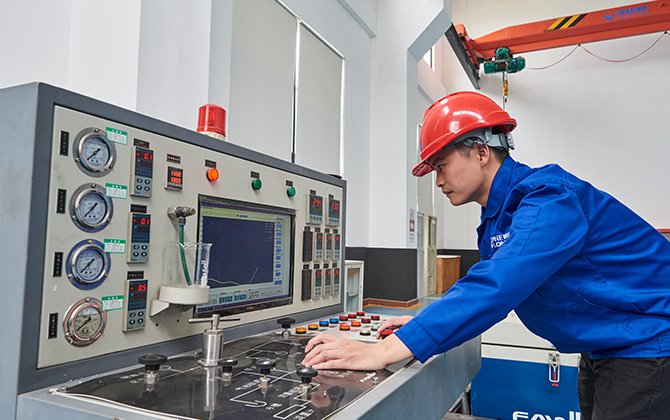
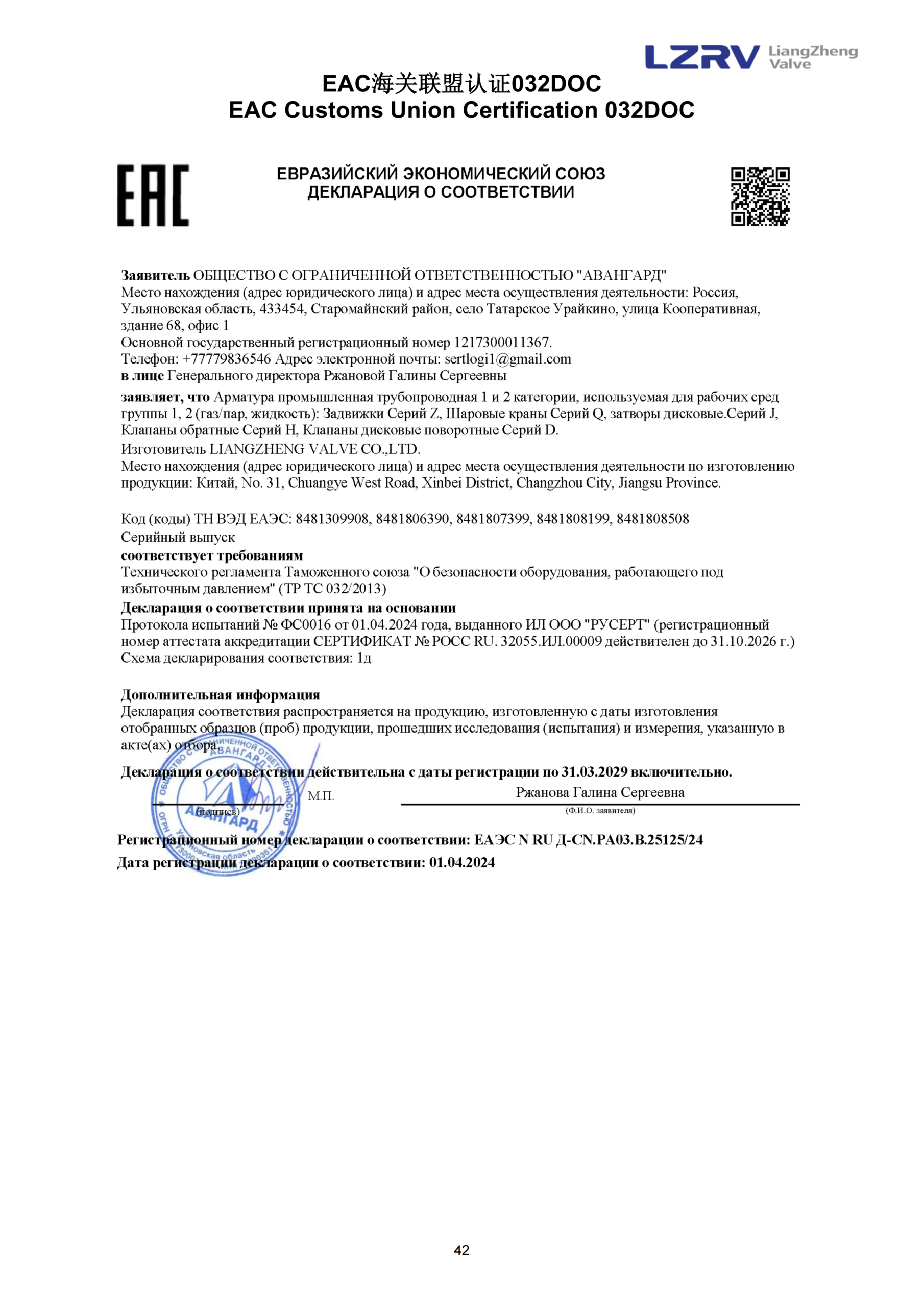
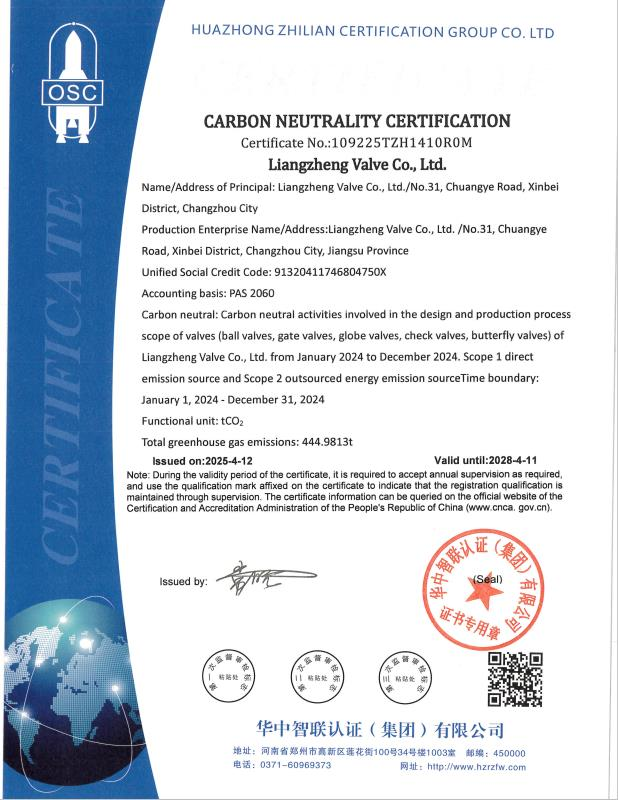
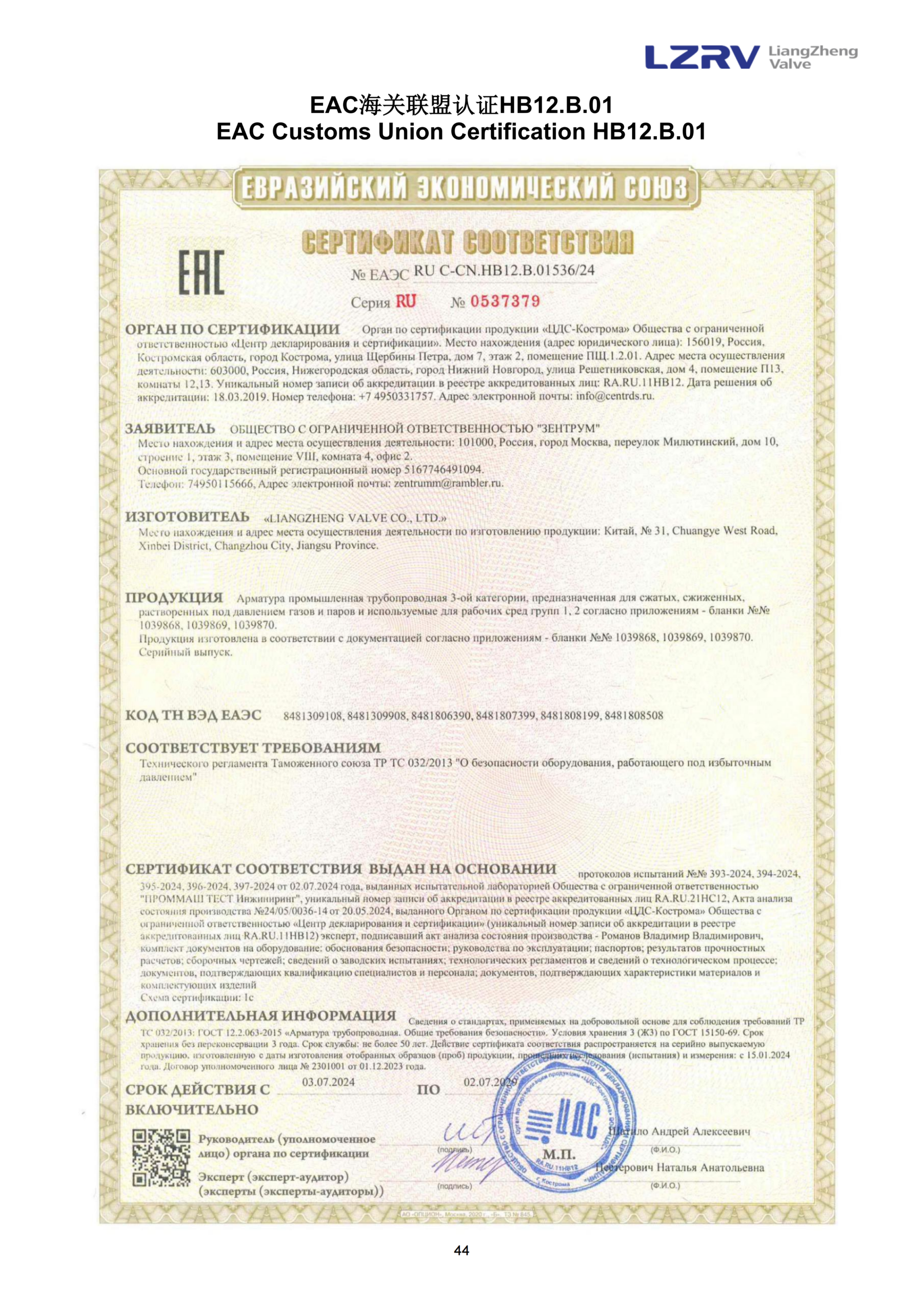
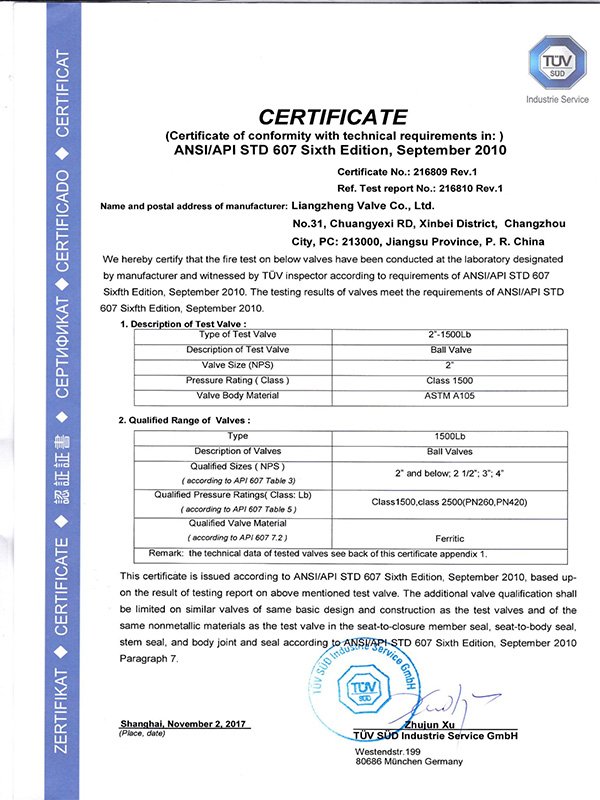
Longz has obtained ISO 9001 international quality management system certification, ISO 14001 environmental management system certification, API certification from the American Petroleum Institute, and other certificates confirming that its products meet domestic and international authoritative quality standards. The company also holds more than 50 invention patents and technology innovation patents.
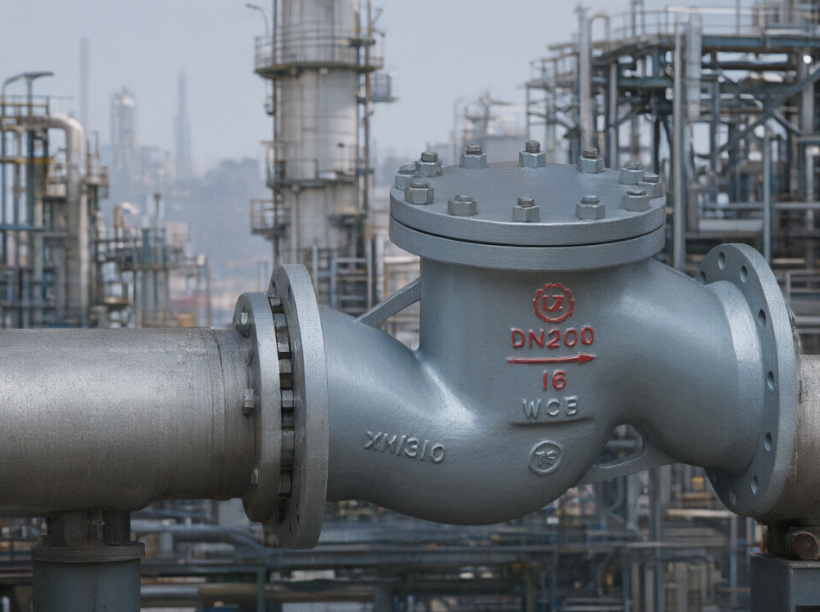
In chemical service a leaking seat is not a housekeeping problem. The medium on the other side of that seat is toxic, flammable or both, and the seat is the only thing between it and the atmosphere at that point in the line. That is the one place where a lift check valve genuinely outperforms a swing design: the disc closes straight onto the seat along the flow axis instead of swinging down onto it, so the seating is repeatable and the sealing performance is better — which is why chemical lines choose it despite accepting a higher pressure drop than a swing valve would give.

When a compressor trips on a gas skid, the header pressure behind it does not wait for your check valve to notice. Reverse flow starts immediately, and a gravity-seated disc still hanging open is now being driven the wrong way through the machine it was supposed to protect.
A spring on the disc changes that timing. It seats the disc while reverse flow is still building, instead of after, and it holds the seal at the near-zero differential a regulating station runs at — where a disc relying on its own weight simply will not close. On a compact skid the same spring does a second job: it carries the disc’s weight so the valve can be installed vertically, in the riser runs that take up most of the station’s pipework.

The Longz lift check valve structurally eliminates one of its leakage paths. It is a globe valve body without a stem and top mechanism: the disc moves along a guide inside the pressure boundary, without extending any rod through the packing box. Without valve stem penetration and without cover caps requiring retightening, there is one less potential leak point on the pipeline. At positions that must be sealed, the valve disc seats along the axial direction, rather than swinging and slamming down. Therefore, the sealing surface will not be laterally dragged and worn by fluid during each opening and closing operation, ensuring no lateral dragging or grinding by the fluid on the sealing surface with each actuation.

A metering pump on a dosing skid does not stop gently. It trips, and the header behind it starts pushing back immediately — long before a gravity-seated disc has finished its travel. Reverse rotation on a small pump is still reverse rotation: it damages the impeller, and on a chemical dosing train it pushes treated water back toward a pump that was never designed to be driven from the wrong end.

- Size Chart for Lift Check Valves
- Certificate
| DN | L | D | D1 | D2 | D6 | B | Z-Φd | H |
|---|---|---|---|---|---|---|---|---|
| H41H-40 | H41W-40 | H41W-40P | H41W-40R | H41W-40I | ||||
| 15 | 130 | 95 | 65 | 45 | 40 | 16 | 4-Φ14 | 100 |
| 20 | 150 | 105 | 75 | 55 | 51 | 16 | 4-Φ14 | 105 |
| 25 | 160 | 115 | 85 | 65 | 58 | 16 | 4-Φ14 | 120 |
| 32 | 180 | 135 | 100 | 78 | 66 | 18 | 4-Φ18 | 130 |
| 40 | 200 | 145 | 110 | 85 | 76 | 18 | 4-Φ18 | 135 |
| 50 | 230 | 160 | 125 | 100 | 88 | 20 | 4-Φ18 | 149 |
| 65 | 290 | 180 | 145 | 120 | 110 | 22 | 8-Φ18 | 160 |
| 80 | 310 | 195 | 160 | 135 | 121 | 22 | 8-Φ18 | 169 |
| 100 | 350 | 230 | 190 | 160 | 150 | 24 | 8-Φ23 | 194 |
| 125 | 400 | 270 | 220 | 188 | 176 | 28 | 8-Φ25 | 225 |
| 150 | 480 | 300 | 250 | 218 | 204 | 30 | 8-Φ25 | 255 |
| 200 | 600 | 375 | 320 | 282 | 260 | 38 | 12-Φ30 | 305 |
| 250 | 730 | 445 | 385 | 345 | 313 | 42 | 12-Φ34 | 360 |
| 300 | 850 | 510 | 450 | 408 | 364 | 46 | 12-Φ34 | 415 |
This lift check valve has been operating here for 14 months without any issues. The machining accuracy of the valve disc sealing surface remains stable under continuous pressure cycles
 EngineerCanadian Chemical Company
This batch of lift-type check valves has fully met the standards promised in the specification. This might sound like a very low standard, but in reality, it is quite rare. The material is consistent with the data sheet, the seal is reliable under real working conditions, and the supplier is truly responsible in the after-sales service
 EngineerMexico Oil Company
This lift check valve is available in materials such as WCB, A351CFB, etc.
It is recommended to inspect the sealing performance and the flexibility of the valve disc movement once every six months. For large-diameter valves that do not operate for a long time, it is advisable to manually move the valve disc once a month (if there is an operating mechanism) to prevent rust and jamming.
When the medium flows in the forward direction, the fluid pressure overcomes the weight of the valve disc (or the spring force) and lifts the valve disc, opening the passage; when the medium stops flowing or there is reverse flow, the valve disc, under the action of its own weight, spring force, and the reverse medium pressure, falls back and seals against the valve seat to cut off the passage, thereby preventing reverse flow.
It is suitable for transporting clean media such as water, oil products, steam, and clean fluids in the food and pharmaceutical industries.
The applicable temperature range also varies depending on the different materials, spanning from -196°C ~ 570°C.