
Forged floating ball valve Manufacturer in china
Due to the adoption of a rubber sealing principle, the forged floating ball valve is highly suitable for various gas media. It can withstand minor scratches on the ball caused by rust, impurities, and particulate matter in the pipeline without causing internal leakage.Significantly enhanced sealing performance greatly reduces the possibility of internal leakage. The VITON rubber has a Shore hardness of 95° or higher, featuring AED anti-explosion protection, effectively ensuring safety.
Various Types Of Our Swing forged floating ball valve
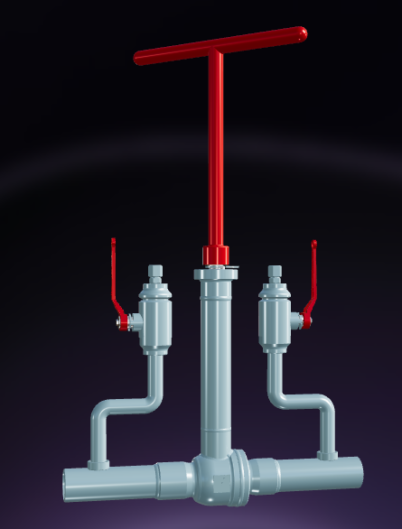
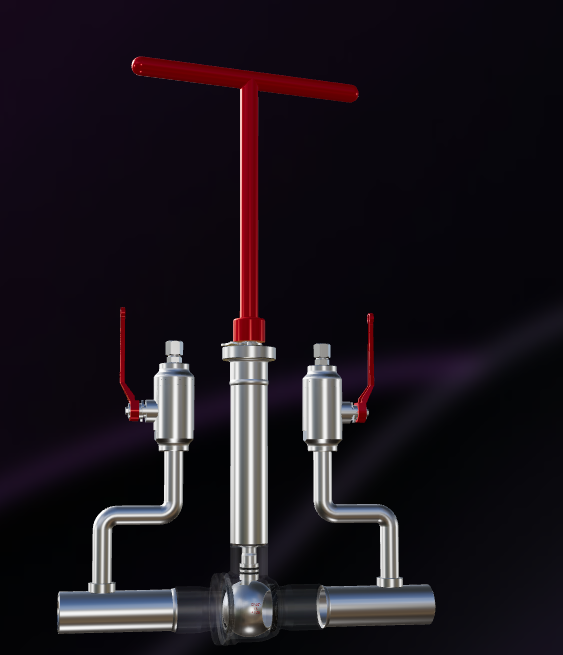
The Weld-end forged ball valve of Longz is designed as an integrated forging (pattern forging) with a cast-like appearance, yet constructed from ASTM A105 or LF2 forged materials. Its material is A105 forging, featuring an aesthetically pleasing design. Make valves more reliable.
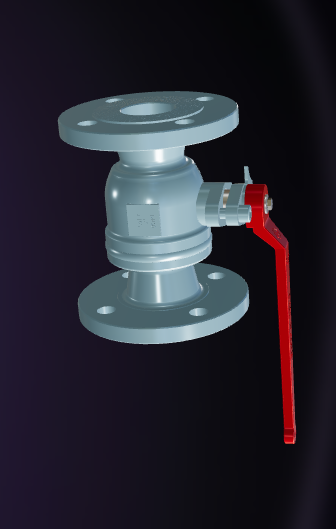
The flanged forged floating ball valve operates quickly and conveniently. As long as the stem is rotated 90 degrees, the ball valve completes its full on/off action, making rapid opening and closing easily achievable.
Sealed reliable forged floating ball valve
The Longz forged floating ball valve utilizes an elastic rubber sealing ring material, which can undergo significant deformation under pressure to fill in the microscopic irregularities on the metal surface. When the stress is eliminated, it returns to its original shape, while the sealing area decreases. It significantly reduces torque. Due to its use of rubber sealing principles, it is highly suitable for various gas media. When rust, impurities, or particles are present in the pipeline, they may cause minor scratches on the surface of the sphere, but this does not lead to internal leakage. Consequently, it significantly enhances sealing performance and substantially reduces the likelihood of internal leakage.
Our forged floating valve manufacturer
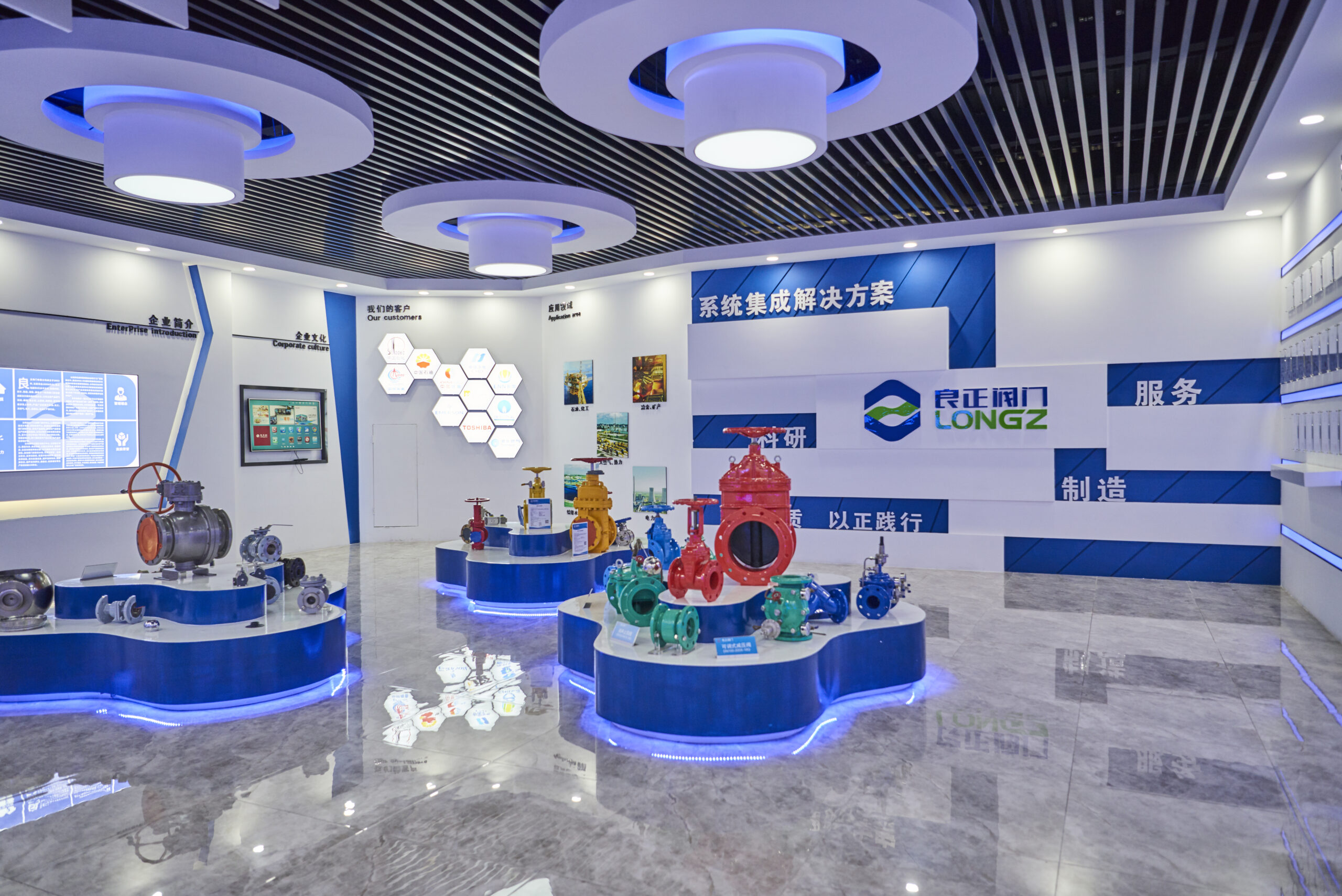

Longz applies advanced management concepts to the factory management model, achieving a perfect integration of the UKAS-ISO international quality assurance system with 6S standardized management. From material selection to the final product leaving the factory, the entire process utilizes a self-developed advanced MES intelligent manufacturing management system (LMES) to manage production workflows and quality traceability, achieving specialized, automated, standardized, and procedural organization of production.
Application scenarios forged floating ball valve
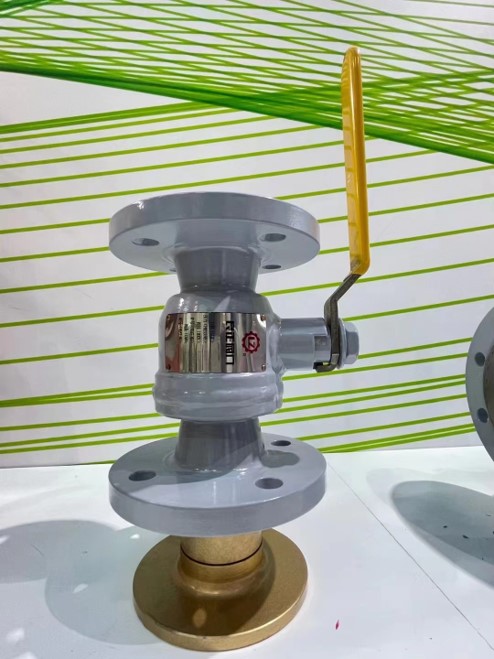
The valve stem adopts a triple-sealing system of “O-ring + flexible graphite packing + diaphragm spring floating load pressure cover”: the O-ring ensures no leakage during low-pressure and replacement stages; Graphite packing material self-tightens and enhances pressure as the medium pressure increases; The diaphragm spring continuously compensates for wear and relaxation, ensuring reliable sealing across the entire pressure range. This design ensures reliable sealing performance across all pressure ranges. Flexible graphite possesses high-temperature resistance and can maintain secondary sealing even after soft seal failure, meeting the fire protection test requirements of API 607/API 6FA.
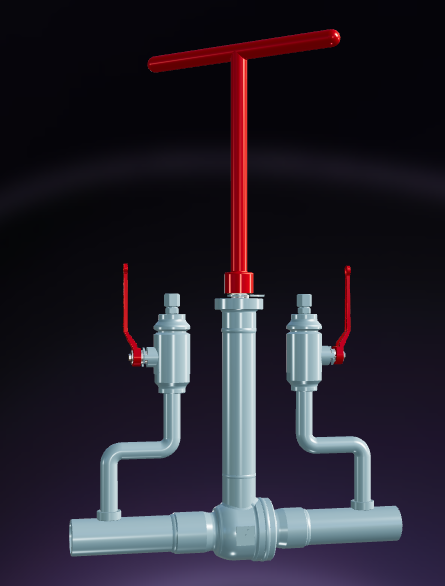
The internal passage of the forged floating ball valve is smooth and even, enabling it to transport viscous fluids and slurries.It also maintains good sealing performance after withstanding 20,000 on/off cycles, and features very light torque. Due to the internal design featuring a metal support ring, this type of rubber valve can withstand the operating pressure of PN150, CLASS600 for prolonged use. The unique internal metal processing technique enhances the ductility of the valve seat, improving its toughness, wear resistance, and sealing performance. The back-pressure textured design effectively prevents leakage from the side of the valve seat and at the bottom, while also achieving elastic sealing.
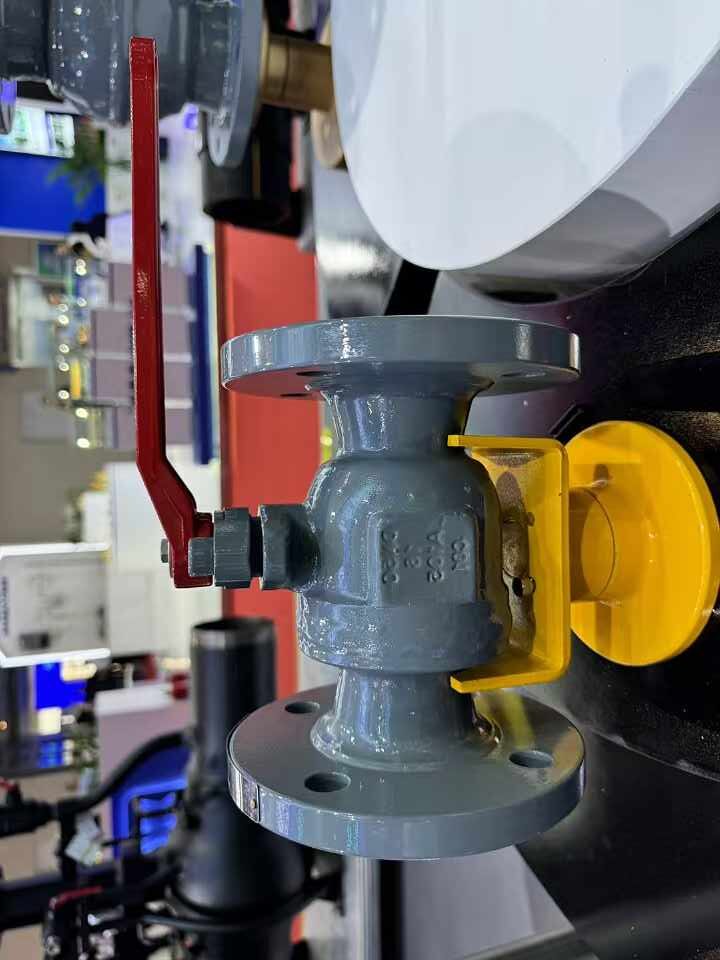
The seat sealing ring of the forged floating ball valve is made from elastomer materials such as Viton (FKM fluororubber) and EPDM (ethylene propylene diene rubber), constituting a metal-nonmetal elastic sealing pair. This structure maintains reliable sealing performance under both low-pressure and high-pressure conditions, meeting the acceptance standards for valve tightness in pump stations, main water pipelines, water treatment plants, and irrigation canal systems. It also complies with the requirements for airtight closure of valves in these applications.

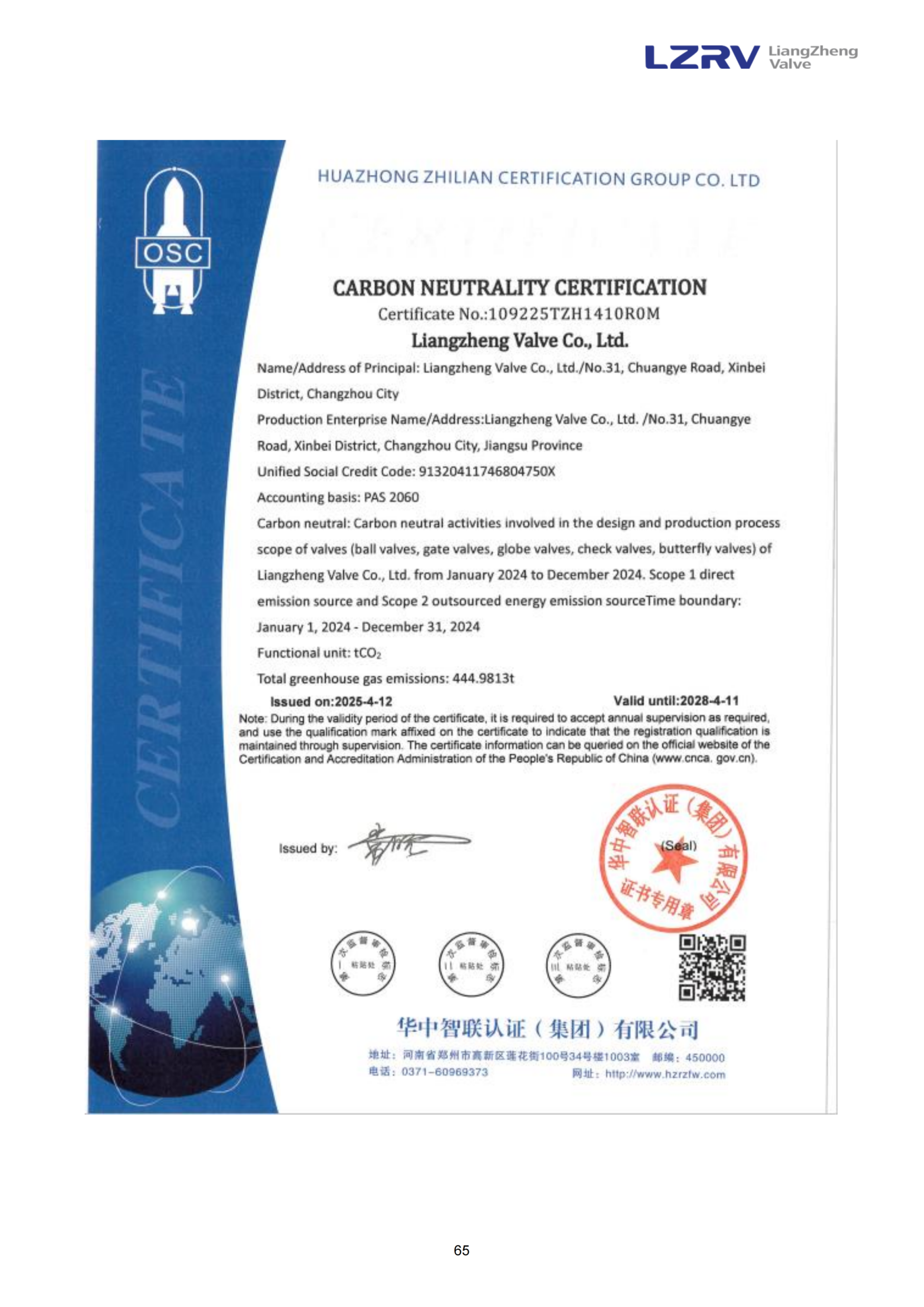
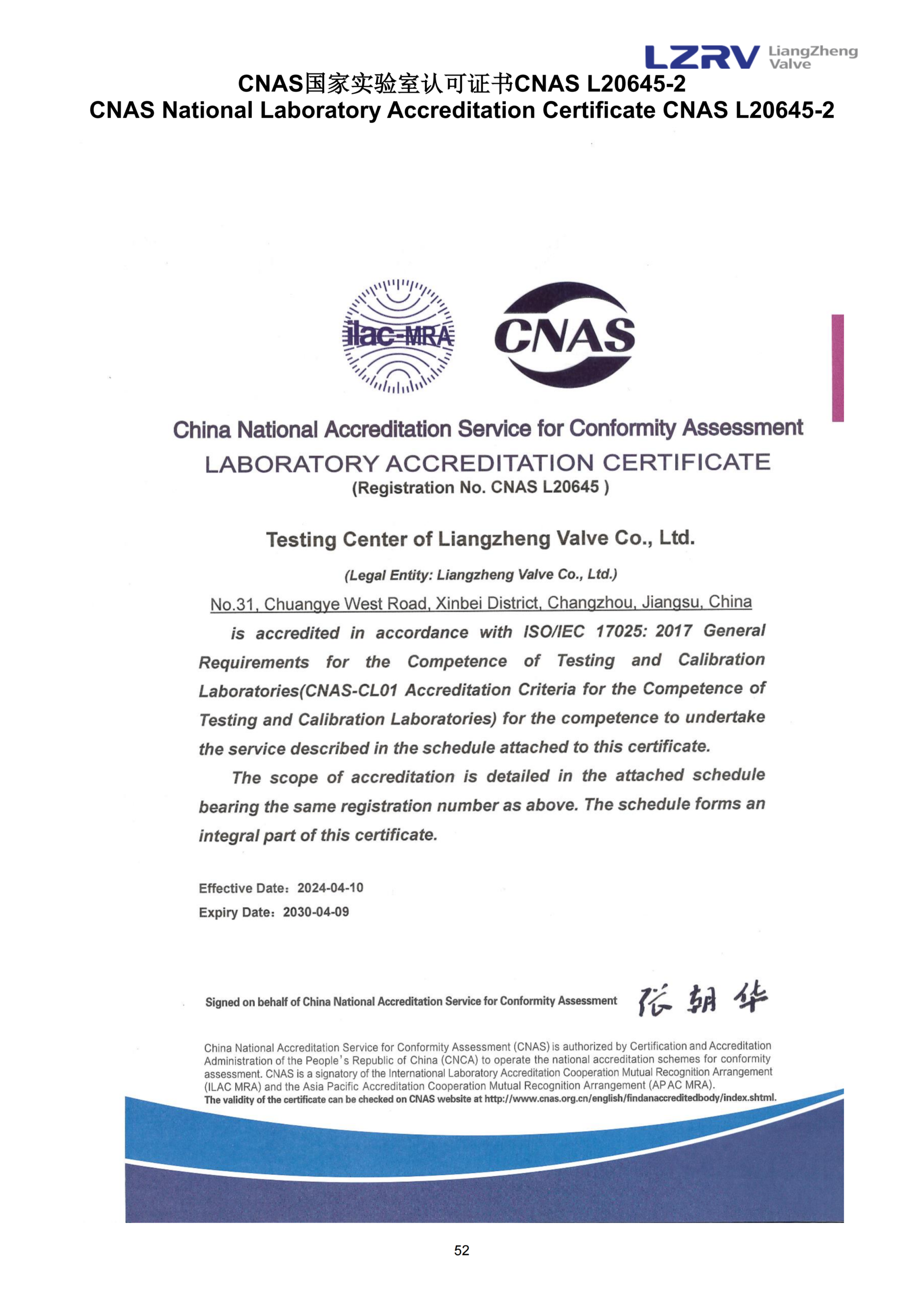
- certificate
- Technical Parameter Table for Forged Floating Ball Valve
| Forged Floating Ball Valve Technical Parameters | |
|---|---|
| Parameter | Value |
| Body Material | A105, LF2, F304, etc. |
| Size Range | DN25-DN100, NPS1″-NPS4″ |
| Pressure Range | PN16-PN25, Class150LB |
| Working Temperature | -46℃ ~ +150℃ |
| Drive Method | Manual, Pneumatic, Electric, Hydraulic, and Pneumatic-Hydraulic Linkage, etc. |
| Design Standard | API 6D, GB/T19672, GB/T12237, CJ/T514, API608, etc. |
| Connection Type | RF, BW |
The small-caliber high-pressure pipelines on our equipment have always used forged steel floating ball valves, but this time we switched to this supplier. The valve body is fully forged from A105 material, free of sand holes and pores, much denser than castings, with sufficient wall thickness. When used in the operating conditions of PN420, it passed the pressure test in one attempt, with the sealing surface ground to a high polish, and the switch feels smooth and free of sticking.
 Procurement ManagerSpanish Gas Company
We have installed these forged floating ball valves (Class 600, nominal pipe sizes 2″-4″, valve body material ASTM A105, compliant with API 6D and API 607 fire safety standards) in a gas pressure boosting station project.Our third-party inspectors conducted sampling inspections on 12 products—all passed in terms of dimensions, wall thickness, and low-pressure airtightness testing, with material certificates fully traceable to the furnace batch numbers.After 8 months of operation, there was no external leakage. The delivery also arrived a week earlier, which was very helpful for us on the critical path.
 EngineerSaudi Gas Company
Forged Floating Ball Valve: In a floating structure, the seat load is generated by pipeline pressure. Therefore, the operating torque increases with the pressure difference and the square of the valve seat orifice diameter. Valves that are easy to open under low-pressure conditions on test benches may require significantly larger actuators in practical applications
The bore diameter of a full-bore (full-caliber) pipe is equal to the internal diameter of the pipe. It allows for pigging operations, minimizes pressure drop, and is applicable to almost all pipelines and buried gas service lines and underground gas services.
Small-bore valves have a smaller internal diameter, resulting in lighter, more compact, and cost-effective valves. This is fully applicable in plant isolation and utility services where pigging operations are not required.
Carefully verify the face-to-face dimensions: Reduced-diameter valves typically have the same face-to-face length as full-bore valves of the same specification to maintain interchangeability in existing piping systems, but this is not universally applicable across all standards. Clearly state your requirements during the inquiry.
API6D、GB/T12237、C/T514、API608and other standards
Forged floating ball valve Structural Design of the Valve Stem Release Mechanism
forged floating ball valve The valve stem adopts a sealing structure of an O-ring combined with graphite packing. The triple-sealing design effectively ensures the sealing at the valve stem area. The graphite packing serves both fire protection and sealing functions, providing fire resistance and sealing performance. It can be replaced without shutting off the gas supply, allowing for replacement during operation, enabling online maintenance.
Forged floating ball valve with anti-static structure
According to user requirements, forged floating ball valves can be equipped with anti-static structures. It adopts a spring-plunger type electrostatic discharge device, which directly forms an electrostatic channel between the valve stem and the valve body, and creates an electrostatic channel between the ball and the valve stem through the valve. This allows the static electricity generated by friction between the sphere and the valve seat during the switching process to be conducted to ground through the valve, preventing potential dangers such as fires or explosions that may be caused by static sparks.
Forged floating ball valve with switch limit operation structure
The opening and closing of the Forged Floating Ball Valve are equipped with mechanical limit positions, effectively preventing the ball from rotating to a fully positioned state. It is also equipped with a switch indicator mechanism at the top of the valve stem and below the handle.