
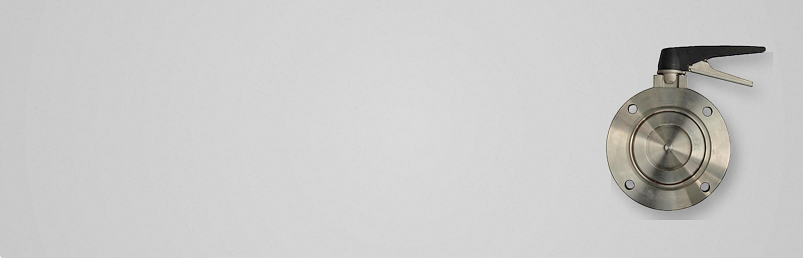
Vacuum butterfly valve Manufacturer in China
Our Longz vacuum butterfly valve features a precision-fixed disc, rigidly locked to the valve stem and seated at the heart of the valve body — zero play, zero backlash, zero compromise. The moment your actuator engages — manual for hands-on precision, pneumatic for rapid automation, or electric for smart remote control — the disc responds instantly, rotating with exact repeatability. One clean motion, and flow is open, throttled, or fully sealed. Cycle after cycle, batch after batch. That’s Longz reliability, built in.
The sealing performance of the vacuum butterfly valve
In vacuum systems, the seal is everything — a single leak point can undo hours of work. Our sealing ring is available in high-performance materials, engineered to hold true even in ultra-high vacuum systems where every molecule counts. Beneath it, a special shaft seal structure works quietly in the background: it automatically compensates for wear as it occurs, so the seal refreshes itself — cycle after cycle, year after year. The result is a valve that keeps the outside world out and the vacuum locked in, without you lifting a finger. Your vacuum degree stays exactly where you set it. Your process stays exactly where it should be.

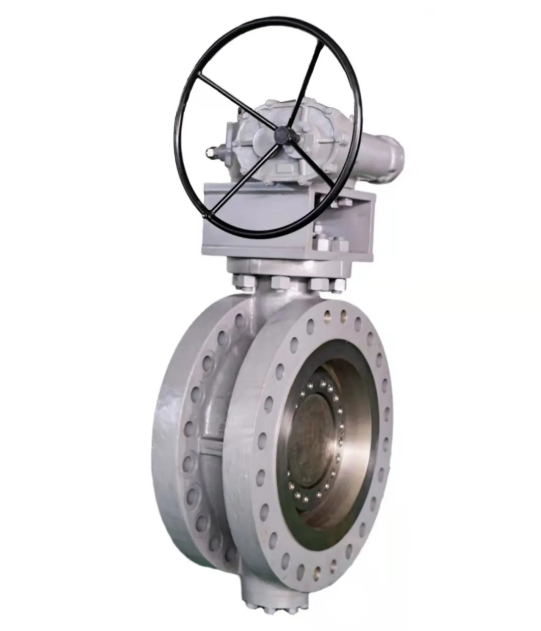
The driving method of the vacuum butterfly valve
Choose the manual handle for rugged simplicity and instant hands-on control, no power source required. Choose the pneumatic actuator, powered by compressed air, when speed matters: it responds in an instant and thrives in high-frequency, round-the-clock operations. Choose the electric actuator, driven by a precision motor, when you need remote control or fine-tuned adjustment from the control room — or from anywhere. And for those who want total visibility, select pneumatic valves with integrated limit switches: real-time status feedback and fault warnings, so nothing catches you by surprise. However you drive it, Longz keeps your vacuum system moving — fast, precise, and always under control.
Your Trusted vacuum butterfly valve supplier in China


Longz has obtained ISO 9001 international quality management system certification, ISO 14001 environmental management system certification, API certification from the American Petroleum Institute, and other certificates confirming that its products meet domestic and international authoritative quality standards. The company also holds more than 50 invention patents and technology innovation patents.
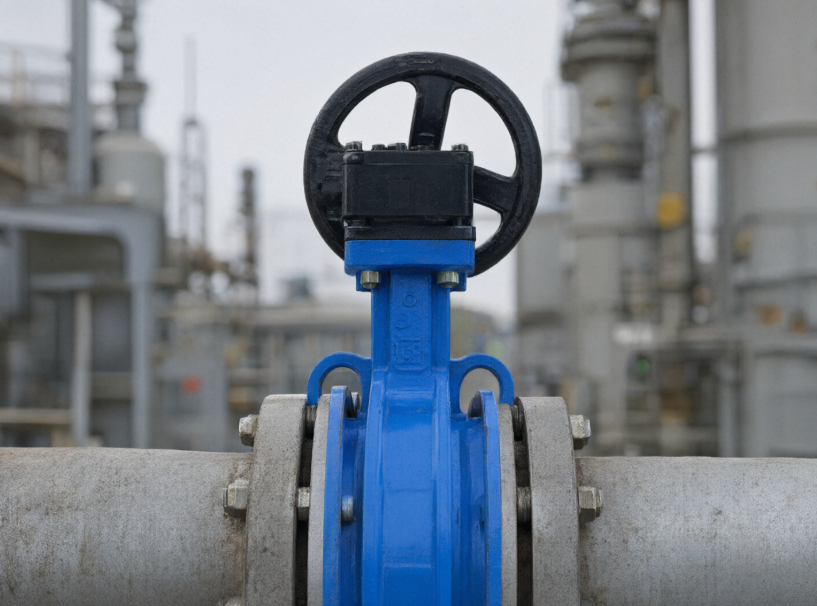
Ngineered for the harshest dust removal environments, Longz Vacuum Butterfly Valves deliver superior isolation and precise flow control. Designed to withstand abrasive dusty gas pipelines, they ensure zero-leakage shut-off, accurate air volume adjustment, and reliable branch line isolation to keep your system running at peak efficiency.
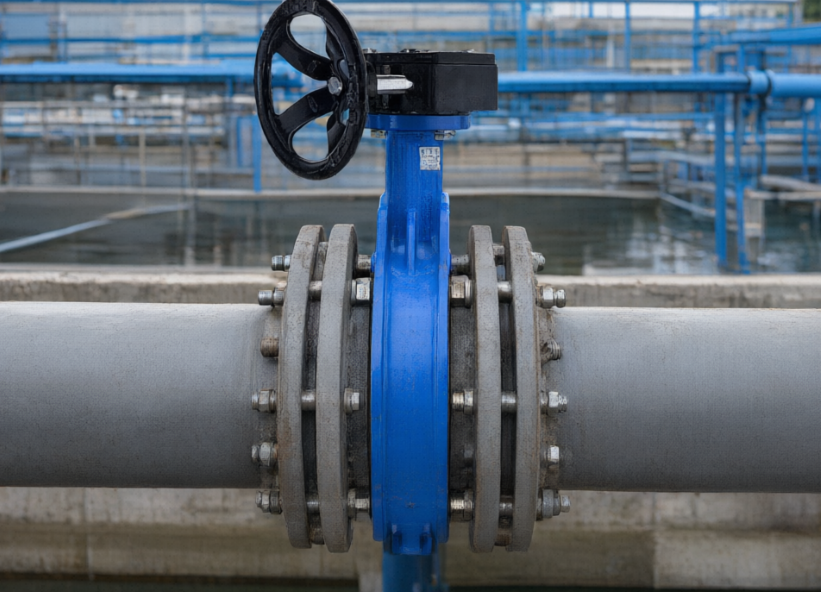
In the power industry, downtime is not an option — and neither is pressure loss. Our Longz vacuum butterfly valve cuts off and regulates gas flow in your pipelines with uncompromising sealing integrity, so every ounce of energy stays in the system, not leaking away. Its low flow resistance keeps pressure drop to a minimum, cutting operating costs and boosting system efficiency. And when the load spikes and flow demands go high, this valve doesn’t flinch — it’s engineered precisely for high-flow, high-stakes conditions. Power on, pressure steady, performance uncompromised.

Our Longz vacuum butterfly valve can be used in the vacuum induction furnaces and vacuum arc furnaces in the metallurgy industry for the exhaust piping, to control the vacuum level inside the furnaces and reduce metal oxidation and impurities from entering. The pneumatic high vacuum butterfly valve can also be opened and closed quickly, facilitating the addition of materials and sampling while maintaining process stability

- certificate
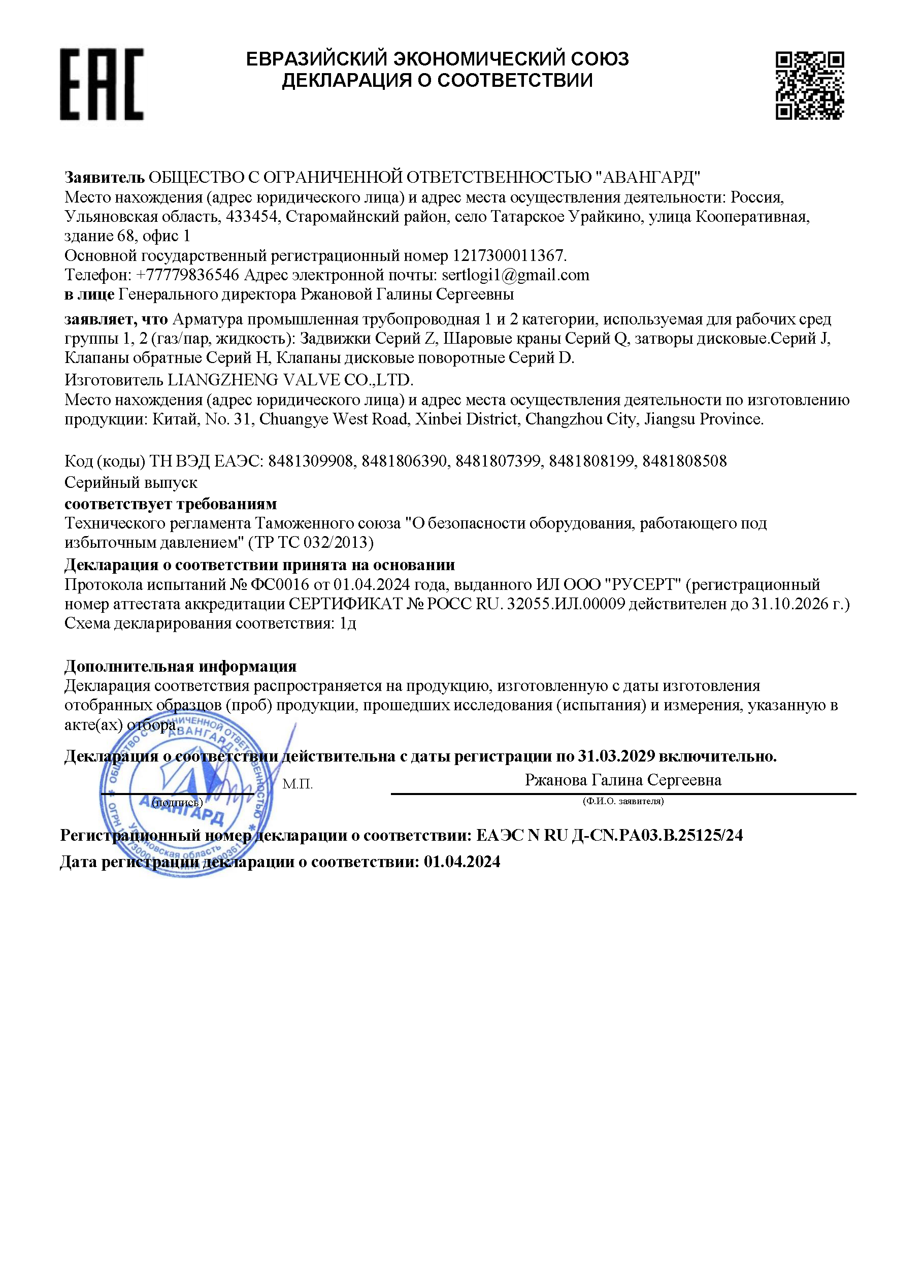
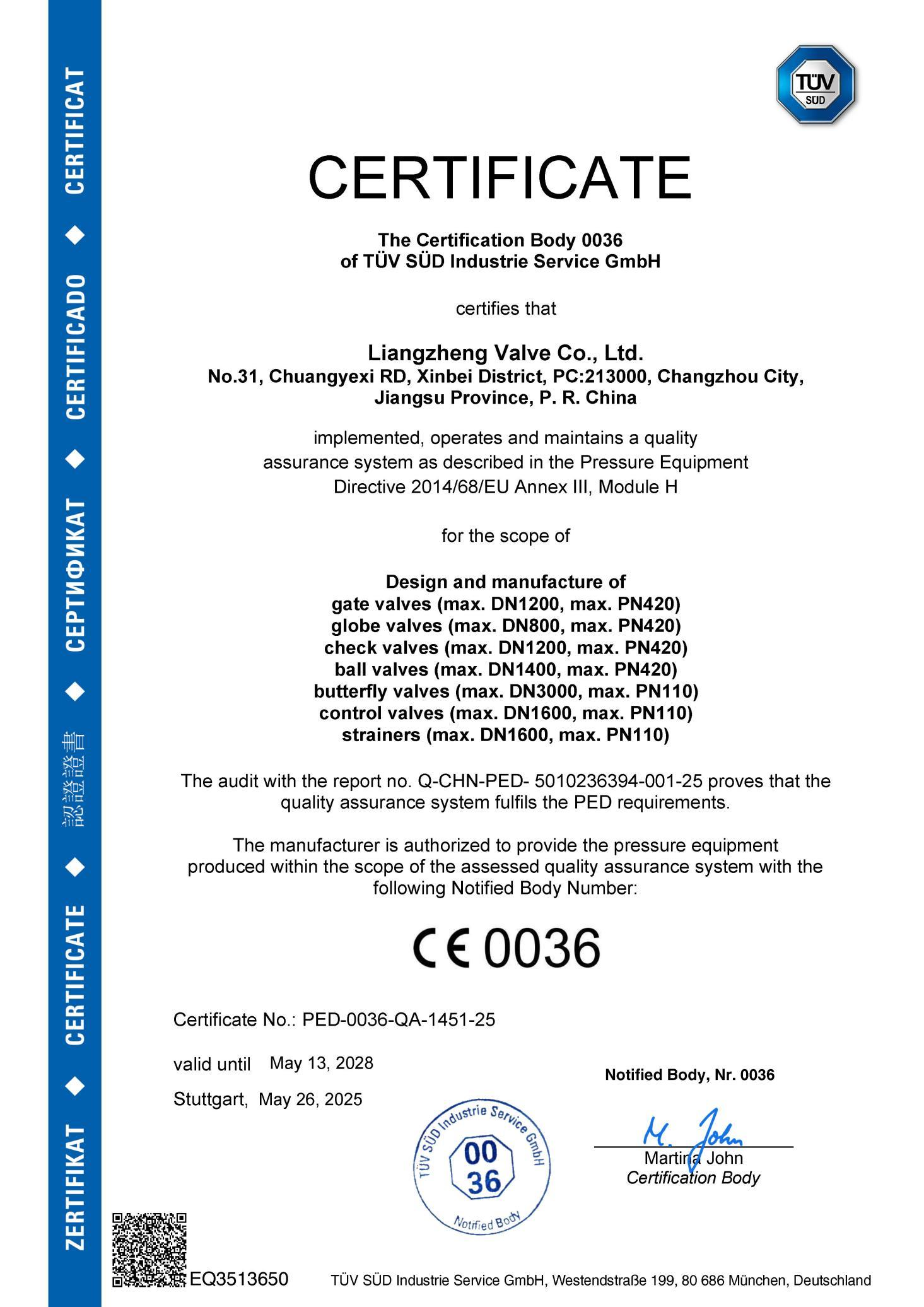
This vacuum butterfly valve has a very compact structure design. Even in our relatively limited installation space, it can smoothly install the equipment in place. At the same time, its own weight is very light, and it will not cause additional burden to the pipeline or equipment. When the valve is fully open, the resistance to the airflow is very small, which helps maintain a high suction speed and thereby improve the overall efficiency.
 EngineerAustralian Electrical Company
This vacuum butterfly valve has an extremely fast opening and closing speed, capable of completing the opening or closing action in a very short time. Therefore, it is particularly suitable for use in working conditions where the gas flow state needs to be frequently switched. It can effectively reduce the waiting time during the switching process and improve operational efficiency. At the same time, its internal structure is relatively simple, with a small number of components. It is also very convenient for daily maintenance and inspection, as the maintenance work can be completed without complex disassembly and assembly procedures.
 EngineerCanadian Metallurgy Company
A vacuum butterfly valve is a type of butterfly valve with a working pressure lower than the standard atmospheric pressure, used for regulating or cutting off gas flow in vacuum pipelines. It consists of a valve body, a butterfly plate, a valve stem, sealing components, and a driving and actuating mechanism. The actuating mechanism drives the butterfly plate to rotate within the range of 0 to 90 degrees: when the plane of the butterfly plate is parallel to the pipeline, it is fully open and the gas flows smoothly through, and when it rotates to be perpendicular to the pipeline section, it presses against the valve seat to achieve isolation.
The vacuum butterfly valve is mostly designed with a mid-line butterfly plate and short structural steel plates welded together. There are no connecting rods, bolts, or other components inside, resulting in a smooth flow path, a compact structure, and light weight. Therefore, it has low flow resistance and a large flow capacity. For pipe sections between the preceding pump and the process chamber that require a large flow guide, this characteristic is beneficial for shortening the pumping time.
The standard type of vacuum butterfly valve is suitable for pure air and non-corrosive gases. In cases where there is dust, oil mist, highly corrosive gases or a large amount of process by-products, stainless steel valve bodies should be selected and the material of the sealing ring should be confirmed to be compatible. In necessary cases, a filter or pre-capture device should be added.
The valve body and valve disc of the vacuum butterfly valve
The valve body of this vacuum butterfly valve is the main structure of the entire valve, serving to support and accommodate the internal components. The valve body is usually made of carbon steel or stainless steel (such as SUS304), and these materials have good corrosion resistance and mechanical strength, which can adapt to various working environments. The surface of the valve body is polished, which not only reduces the adhesion of the medium but also helps to enhance the overall corrosion resistance. In actual use, the valve body can withstand certain positive pressure and vacuum negative pressure, meeting the basic requirements for sealing and strength in vacuum systems.
The valve plate is the core actuating component of the vacuum butterfly valve, directly controlling the opening and closing of the gas path. This valve plate is designed as a centerline structure, and is installed in conjunction with the valve body through welding or casting processes, making the overall structure of the valve more compact and the flow path smoother. This design can effectively reduce the resistance of gas flow and ensure that the valve has good conducting performance when fully open.