

Flanged butterfly valve Manufacturer in China
The flanged butterfly valve comes with integral flanges on both ends of the valve body, allowing the flange faces to directly connect with pipe flanges. The valve body is securely fastened to the pipe flange using double-headed bolts, forming a stable and reliable pipeline connection. This type of connection is simple and convenient during installation—just align the flanges, insert the double-headed bolts, and tighten them to complete assembly. During disassembly, simply loosen the bolts to separate the valve body from the pipe. The process is quick and effortless, making it easy for routine inspection, maintenance, and replacement.
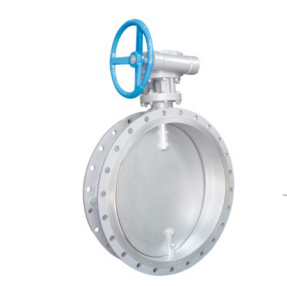
The circular ventilation butterfly valve has a small operating torque, is easy to operate and requires less effort. It is made of suitable materials to meet the requirements of different medium temperatures (low, medium, and high) and corrosive media. The circular ventilation butterfly valve has both straight plate type and inclined plate type. The leakage rate of the straight plate is 3%, and that of the inclined plate is 1%. There is a connection seat between the valve body flange and the driving part. The bolts for fixing the packing cover can be adjusted through the packing window on the connection seat to ensure axial sealing.

The valve stem axis of the double eccentric flanged butterfly valve is set with a certain eccentric distance relative to the center of the butterfly plate sealing surface and the center line of the valve body, forming a double eccentric structure. The butterfly plate can quickly separate or contact the valve seat at the moment of opening or closing, and the sealing surface is less likely to undergo continuous scraping. The friction effect during the opening and closing process is relatively small, and the required operating torque is also smaller. The operation is relatively light. This valve is suitable for medium and low pressure, medium temperature operating conditions and can be used in water treatment, oil products and other occasions.

Triple eccentric butterfly valve During the opening and closing processes, the contact points between the valve plate and the valve seat gradually change, resulting in low friction torque, easier operation, lower demands on the actuation device, and reduced equipment costs and energy consumption
The sealing structure of the flanged butterfly valve
Our Flanged butterfly valve can be classified into two major types based on the sealing method: soft-sealed Flanged butterfly valve and hard-sealed Flanged butterfly valve. These two sealing methods have certain differences in structural characteristics, sealing performance, and applicable working conditions.
The soft-sealed Flanged butterfly valve usually adopts structural forms such as the centerline type. The main feature of this type of valve is excellent sealing performance, low operating torque, and a smooth and flexible opening and closing process. These characteristics make it more suitable for medium conditions such as normal temperature, low pressure, and cleanliness, and can better meet the sealing and control requirements under these conditions.
The hard-sealed Flanged butterfly valve usually adopts structural forms such as single eccentric, double eccentric, and triple eccentric. The characteristics of this type of valve lie in its ability to withstand high temperatures and pressures, excellent wear resistance, and long service life. The hard-sealed Flanged butterfly valve is suitable for medium conditions such as high temperature, high pressure, and strong corrosiveness, and can maintain good applicability under more demanding working conditions.
Your Trusted Flanged butterfly valve supplier in China

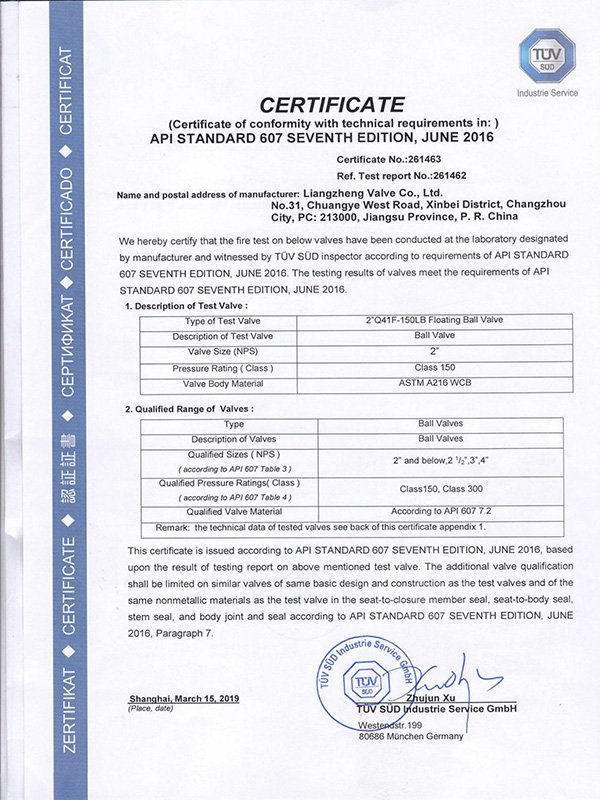
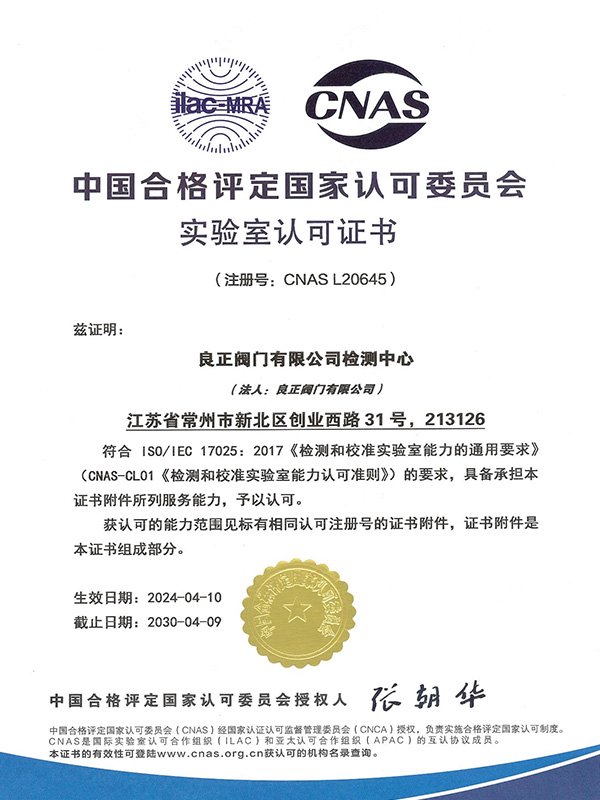
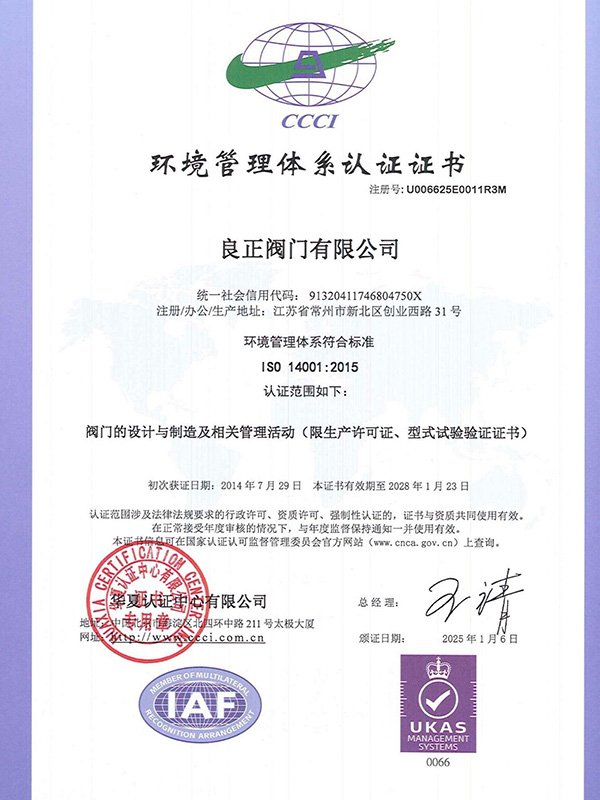
Longz has obtained ISO 9001 international quality management system certification, ISO 14001 environmental management system certification, API certification from the American Petroleum Institute, and other certificates confirming that its products meet domestic and international authoritative quality standards. The company also holds more than 50 invention patents and technology innovation patents.
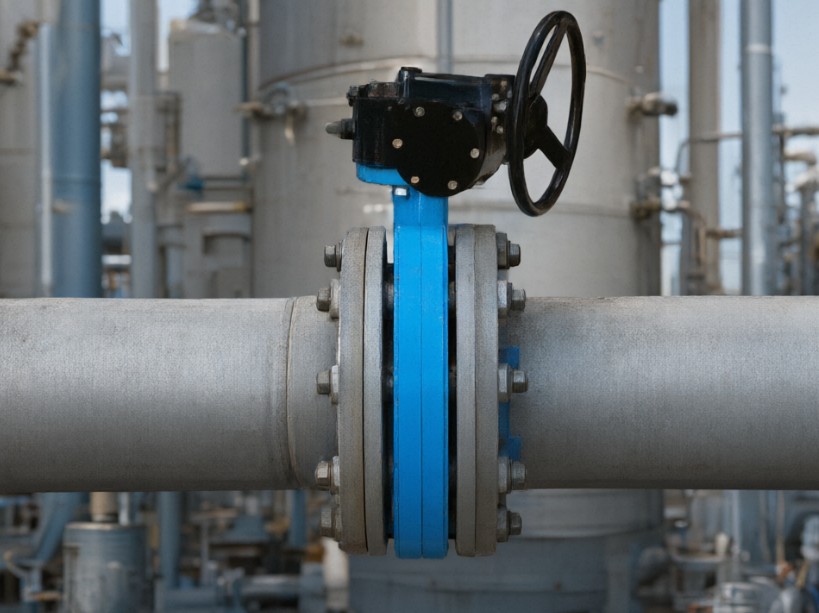
In the gas industry, our flanged butterfly valve typically employs a packing gland sealing structure between the valve stem and the valve body. This structure involves installing a packing gland at the position where the valve stem protrudes from the valve body, and filling the packing gland with sealing packing to ensure a reliable seal between the valve stem and the valve body, thereby preventing the leakage of the medium.
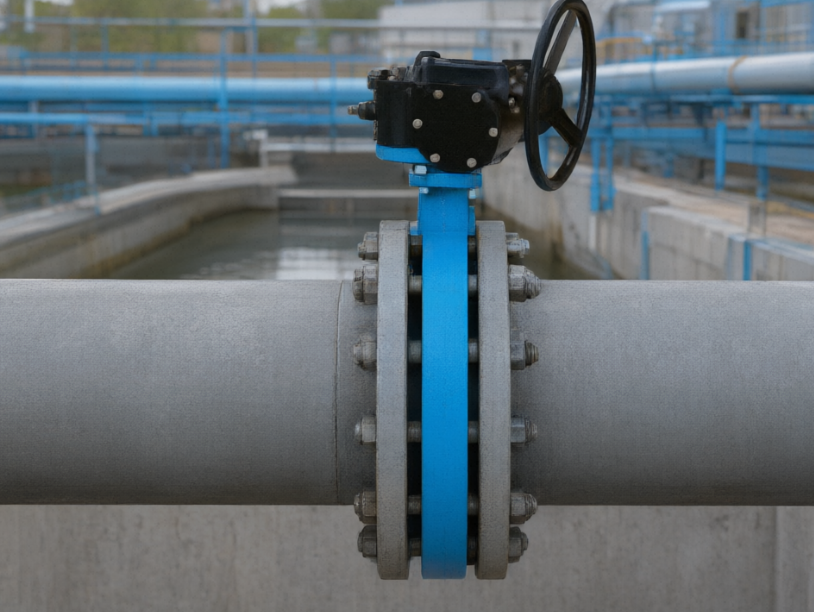
The opening and closing mechanism of our flanged butterfly valve is mainly composed of the butterfly plate and the valve stem. In the oil industry, this Flanged butterfly valve adopts a threaded rod structure and has undergone quenching and tempering treatment, thus possessing excellent strength and corrosion resistance.
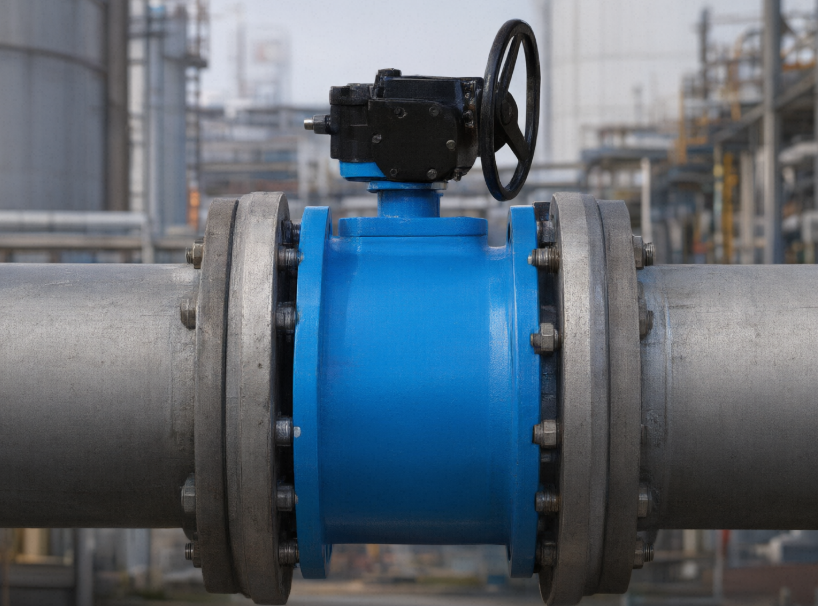
Our Flanged Butterfly Valve, due to its compact structure and convenient installation, has good applicability in the power industry. It can be used for the on-off and flow control of media in boiler feed water systems, cooling water systems, and steam pipeline systems. Moreover, it can perform opening, closing, and flow regulation control functions as required by the system.

- certificate
This flanged butterfly valve is very convenient to install, and during its operation of 10 months, there was no leakage at all with this Flanged butterfly valve. Moreover, the torque required for operation was very small
 EngineerAmerican Gas Company
This Flanged butterfly valve operates very stably under extremely harsh conditions of high temperature and high pressure, has a long service life, and its sealing performance is extremely excellent. It effectively reduces the risk of pipeline leakage for us. The operation is also very simple – Purchasing Manager of Maldives Petroleum Company
 Purchasing ManagerMaldives Petroleum Company
The materials of our Flanged Butterfly Valve include WCB, WC9, etc. You can choose the appropriate material based on your specific working conditions.
The diameter range of our Flanged butterfly valve is from DN50 to DN3000. You can choose the size according to your specific requirements.
When installing this Flanged Butterfly Valve, it can be installed at any position on the pipeline. However, for the sake of ease of maintenance and operation, it is usually recommended to install it vertically.
he working principle of the Flanged Butterfly Valve
The working principle of the Flanged Butterfly Valve is based on rotational motion. When the valve is opened, the driving mechanism rotates the valve stem, causing the butterfly plate to rotate around the fixed axis within the valve body. When the butterfly plate rotates to be parallel to the flow direction of the fluid (usually 0° or 90°), the valve is in the fully open state, at which point the resistance of the fluid is minimized and the flow area is the largest.
When the Flanged Butterfly Valve is closed, the butterfly plate rotates to a position perpendicular to the flow direction of the fluid (usually 90° or 0°). For soft-sealed butterfly valves, the butterfly plate presses against the rubber or plastic sealing ring, causing it to undergo elastic deformation, thereby cutting off the flow of the medium; for hard-sealed butterfly valves, the butterfly plate is tightly in contact with the metal valve seat, and the cutting function is achieved by the rigidity of the metal or through a special sealing structure!