

Double Eccentric Butterfly Valve Manufacturer in China
The disc of the Double Eccentric Butterfly Valve is centered on the valve stem, and the valve stem is centered in the flow channel – thus the disc is in contact with the valve seat throughout its entire stroke, causing wear on the valve seat with each operation. Our Longz Double Eccentric Butterfly Valve has the valve stem axis deviating simultaneously from both the centerline of the disc and the centerline of the pipe. Once the disc is opened, it almost immediately moves away from the valve seat. Less friction means longer valve seat lifespan, lower operating torque, and no need to replace the elastomer according to the maintenance schedule.
Application Scenarios of Double Eccentric Butterfly Valves

This Double Eccentric Butterfly Valve is used in the chemical industry for cutting off and rough regulating tasks. For the sealing surface of this Double Eccentric Butterfly Valve in media containing trace solid particles, a wear-resistant design is required.
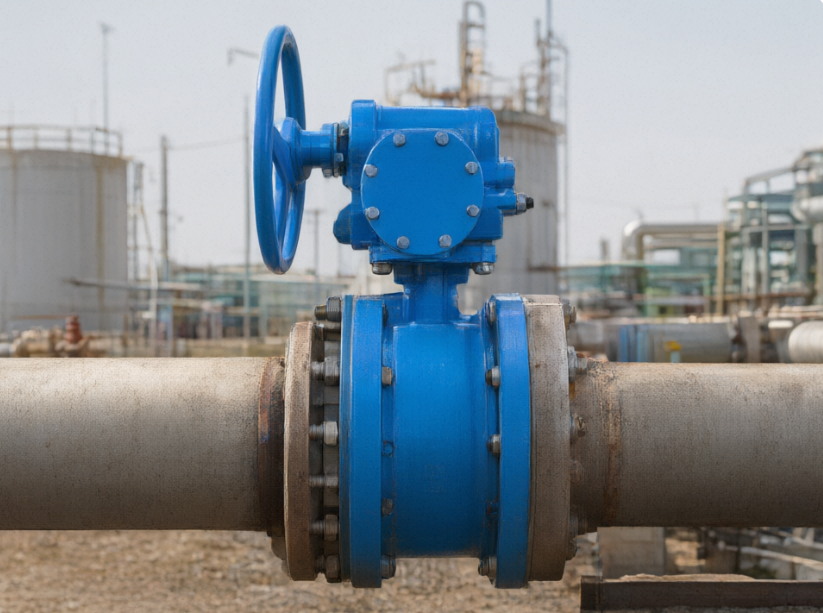
This Double Eccentric Butterfly Valve is used in the gas industry for segmental isolation and flow control. On the gas pipeline, it is convenient for equipment maintenance as it can cut off the gas flow. In the pipeline, it can achieve rapid throttling and flow direction switching.
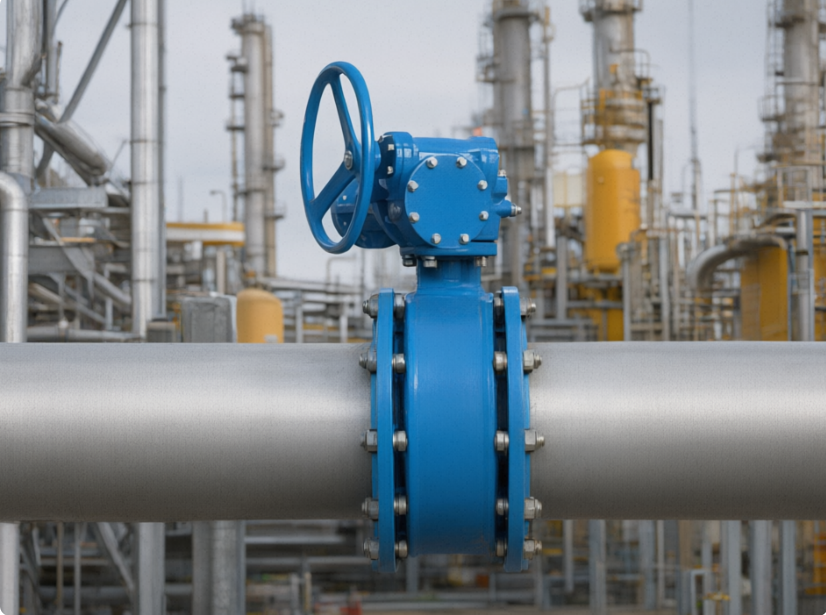
This Double Eccentric Butterfly Valve can be equipped with wear-resistant and corrosion-resistant sealing structures when dealing with sand or corrosive components in the oil industry. It can be used to cut off and regulate the pipeline, facilitating sectional maintenance and controlling the flow of oil products.
Friction-Free Opening, Secure Closing
The double eccentric design behaves differently. With both the stem axis and the disc offset from the pipe centreline, the disc cams clear of the seat within the first few degrees of opening. Rubbing contact is confined to the final degrees of closing — exactly where contact is needed for sealing, and nowhere else.
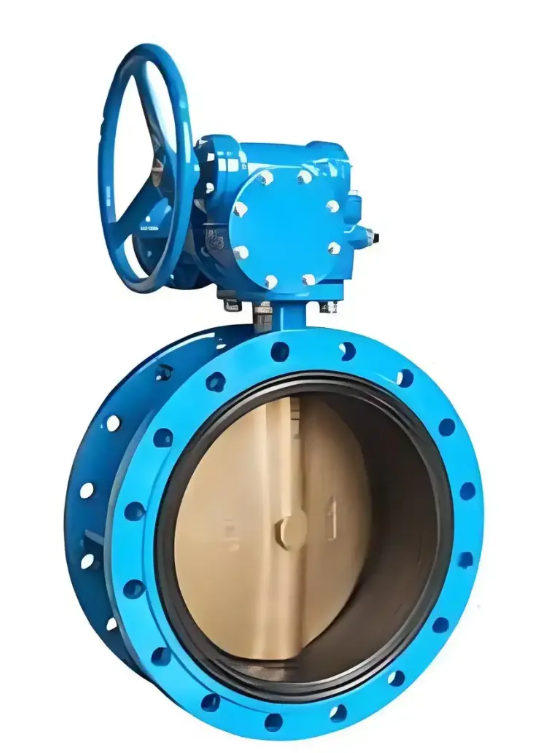
Your Trusted Double Eccentric Butterfly Valve supplier in China
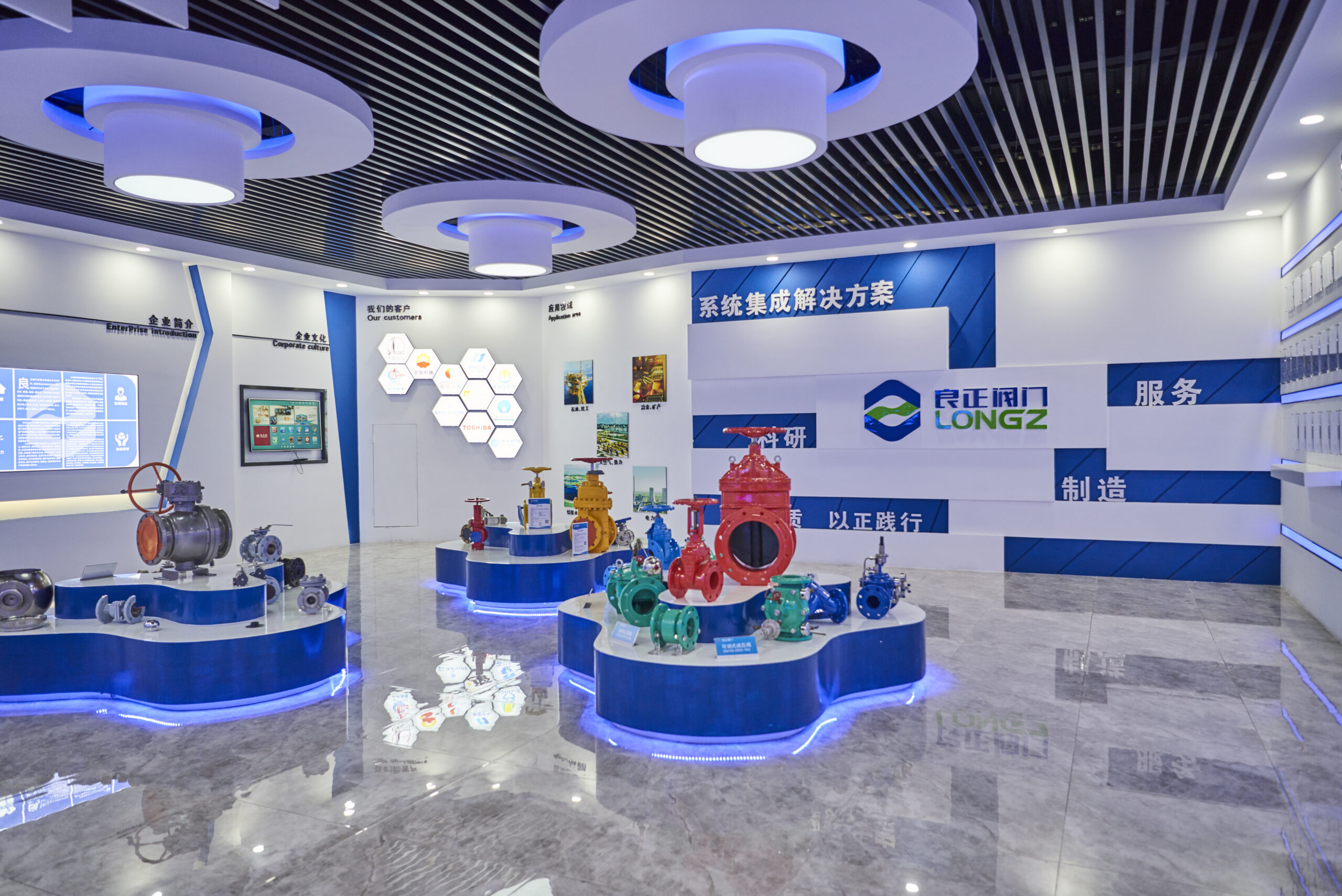

We at Longz firmly adhere to the principle that technological innovation should be the driving force for the company’s development. We have established a CAD valve design center, a three-dimensional simulation manufacturing design system, a valve testing center and an experimental platform, which have optimized the product structure and ensured the quality and speed of new product research and production.
Subcategories of double eccentric butterfly valves

Our electric double eccentric butterfly valve features a stem and disc offset from the centerline of the valve body, significantly reducing seat friction during opening and closing. Its unique structural design gives the valve a self-tightening characteristic when shut, while also substantially extending its service life.

Our soft-sealed double ennectric butterfly valve delivers superior sealing performance and effectively prevents medium leakage. In addition, this soft-sealed butterfly valve features flexible opening and closing; the disc can quickly disengage from the valve seat to reduce friction, resulting in low operating torque.
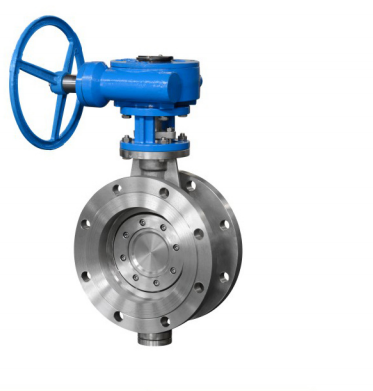
The sealing part of this soft seal flange double eccentric butterfly valve can be adjusted and replaced. It has reliable sealing performance and a two-way pressure-bearing function, making it convenient for installation and use in pipelines with bidirectional pressure.

- certificate
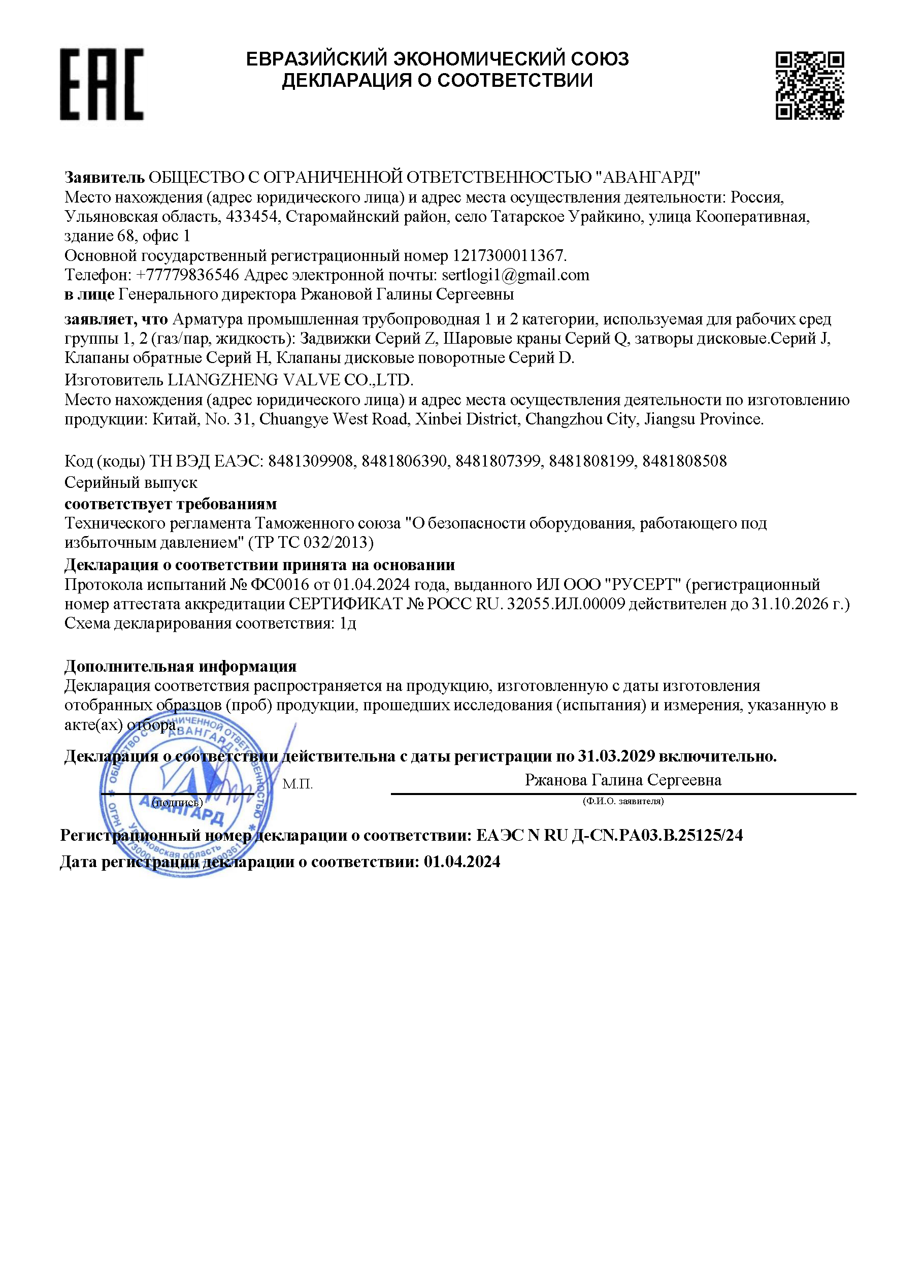
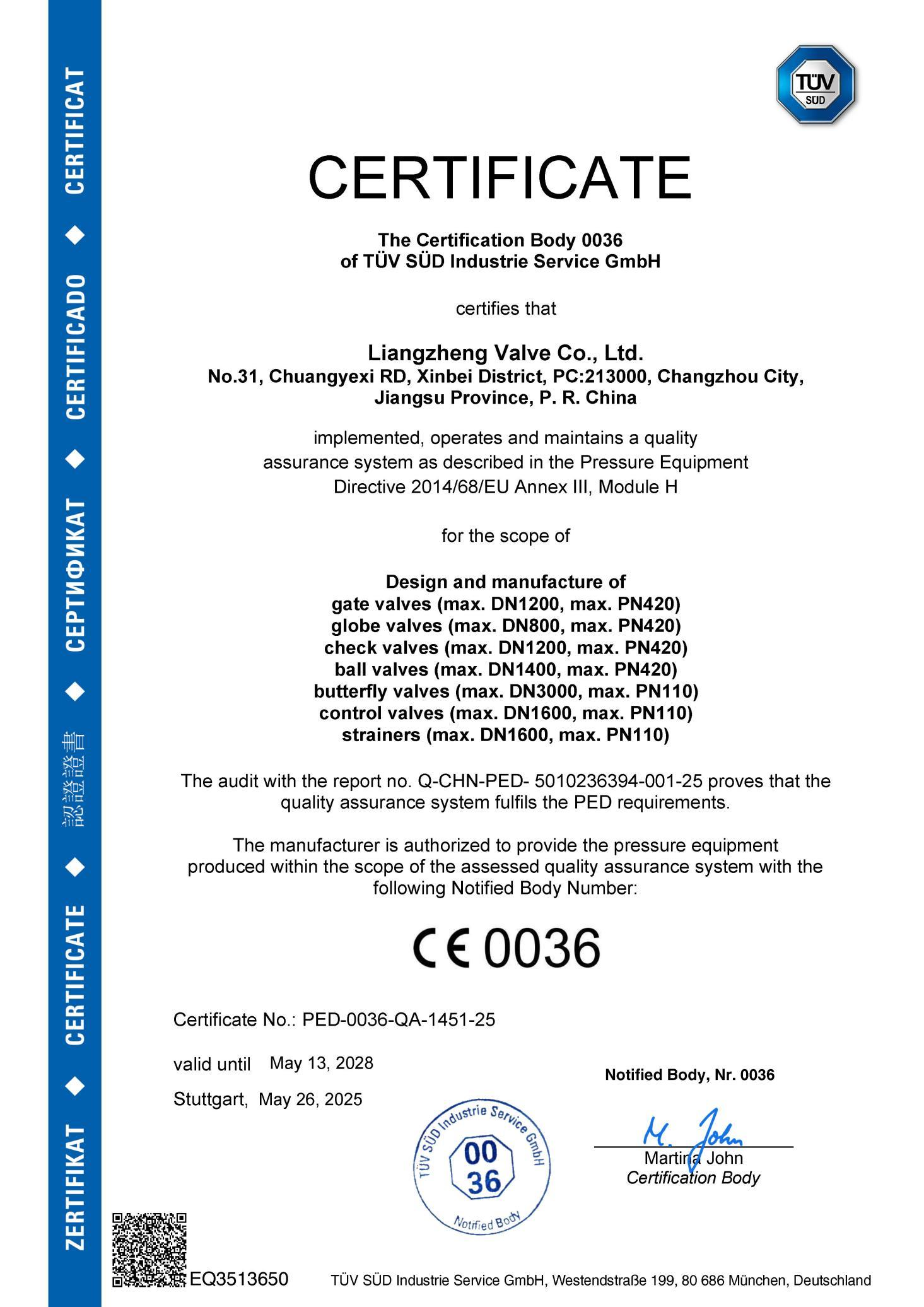
We are very satisfied with the excellent sealing performance of this double eccentric butterfly valve, which effectively ensures reliability and safety during operation. In addition, the lightweight design of the valve facilitates handling and positioning by our on-site personnel during installation.
 EngineerCosta Rica Gas Company
Longz’s double eccentric butterfly valve features a highly compact overall structure. Its components are closely integrated and space-efficient, significantly saving layout space in equipment installation. Meanwhile, the smooth internal flow path design of the valve body results in low fluid resistance, helping to reduce energy loss during pipeline operation
 Purchasing ManagerBrazilian Chemical Company
It is classified into two types based on the sealing surface material: soft seal and hard seal.
When selecting, it should be determined comprehensively based on the pipeline flange standard, the space for disassembly and assembly, and whether online maintenance is required.
It can be equipped with handles, gearboxes (worm gear transmission), electric actuators, pneumatic actuators and hydraulic actuators.
The opening and closing principle of the double eccentric butterfly valve
The double eccentric butterfly valve achieves opening and closing through the cam effect generated by the double eccentricity of the valve stem.
Opening process: The driving device rotates the valve stem, causing the valve stem axis to deviate from the center of the butterfly plate. At the beginning of the rotation, the butterfly plate rises rapidly like a cam and detaches from the valve seat sealing surface. During the majority of the opening stroke, the butterfly plate has almost no contact or friction with the valve seat.
Closing process: The valve stem rotates in the opposite direction. The butterfly plate gradually approaches the valve seat. When it approaches the closing position, under the combined action of the eccentric structure and the medium pressure, it is wedged into the valve seat, forming a self-sealing effect that becomes tighter as it closes. The greater the medium pressure, the tighter the butterfly plate is pressed, and the more reliable the seal.