
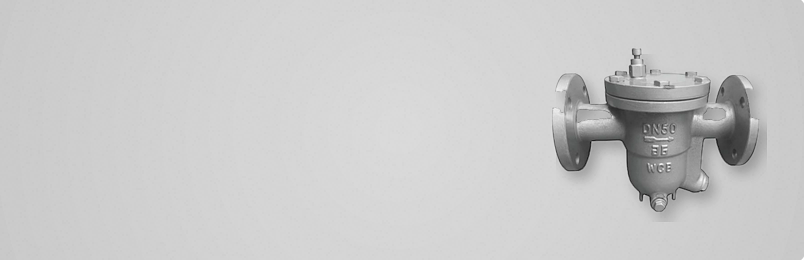
Steam trap valve Manufacturer in China
Our longz Steam trap valve is widely used in the industrial field. Whenever steam is needed for heating, drying, disinfection and other processing operations, a steam trap valve is employed. Especially in industries such as petrochemicals, natural gas and chemical engineering, as an important auxiliary equipment for the steam system, the steam trap valve is widely applied in related steam pipelines and steam usage processes.
The application scenarios of steam trap valve
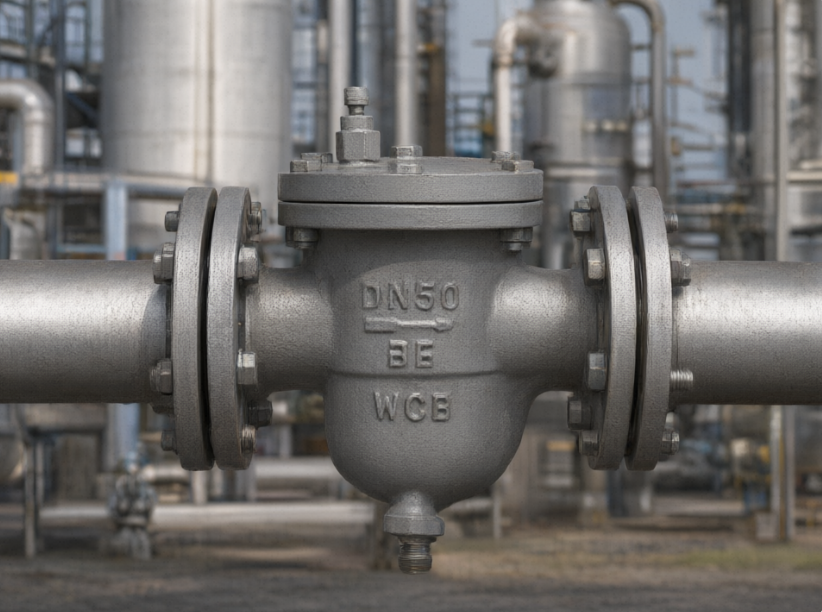
In the chemical industry, the condensate from steam trap valves accumulates in the jackets or coils, forming a “water layer”, which leads to slower heating and temperature fluctuations. In severe cases, water hammer may occur, causing pipeline vibrations and even damaging equipment. If the steam trap valve is functioning properly, it also helps to recover the high-temperature condensate water, thereby reducing fuel and water treatment costs.

The steam trap valve in the gas industry is designed to automatically discharge condensate water and air, while also reducing steam leakage. This helps to enhance heat exchange efficiency, reduce water hammer, freezing blockage and equipment corrosion risks.

In the Oil industry, steam trap valves are mainly used in oil refining, oilfield steam injection, and oil heating systems. They are responsible for automatically discharging condensate and reducing steam leakage.
Steam trap valve, preventing steam leakage
Take a look at what happens inside our Steam trap valve and you will understand why the steam can remain in place. When the cold condensate water you are trying to discharge flows through the opening of the Steam trap valve, it flows slowly and carries high pressure – enough to push the valve plate aside, allowing the condensate water to flow freely out. When steam or flash steam suddenly reaches the same opening, its speed increases sharply, and the static pressure below the valve plate drops. At the same time, some steam condenses above the valve plate, forming an opposing force that pushes the steam back, thus sealing tightly – before the live steam has time to escape. Subsequently, this cycle repeats automatically. You don’t need to set up, calibrate, or send anyone to adjust: a sturdy valve plate can perform all the operations, repeating continuously to cope with water hammer, vibration, and pressure fluctuations in the pipeline.
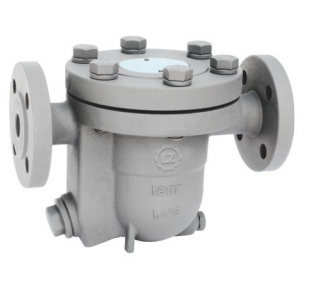
Your Trusted steam trap valve in China

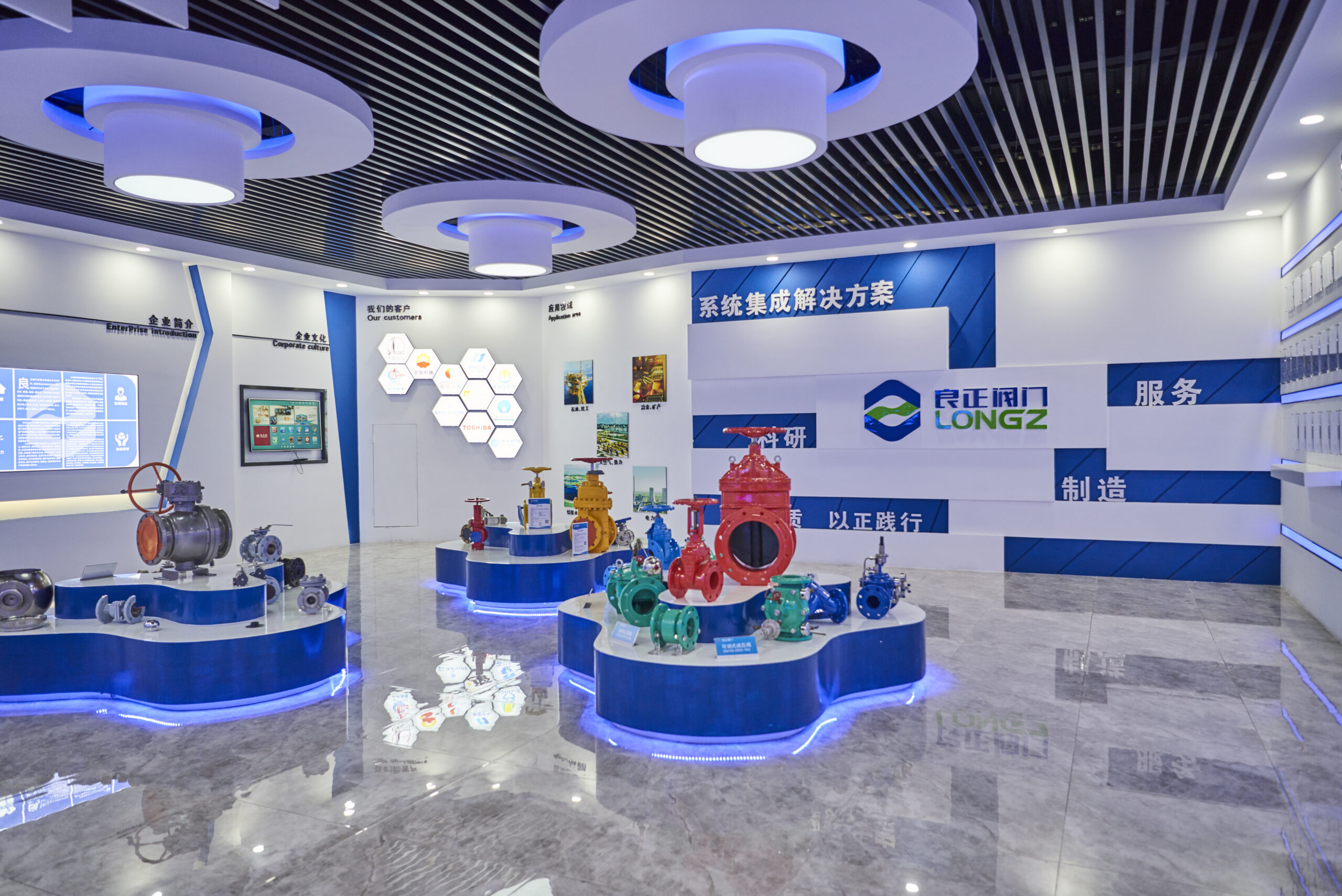
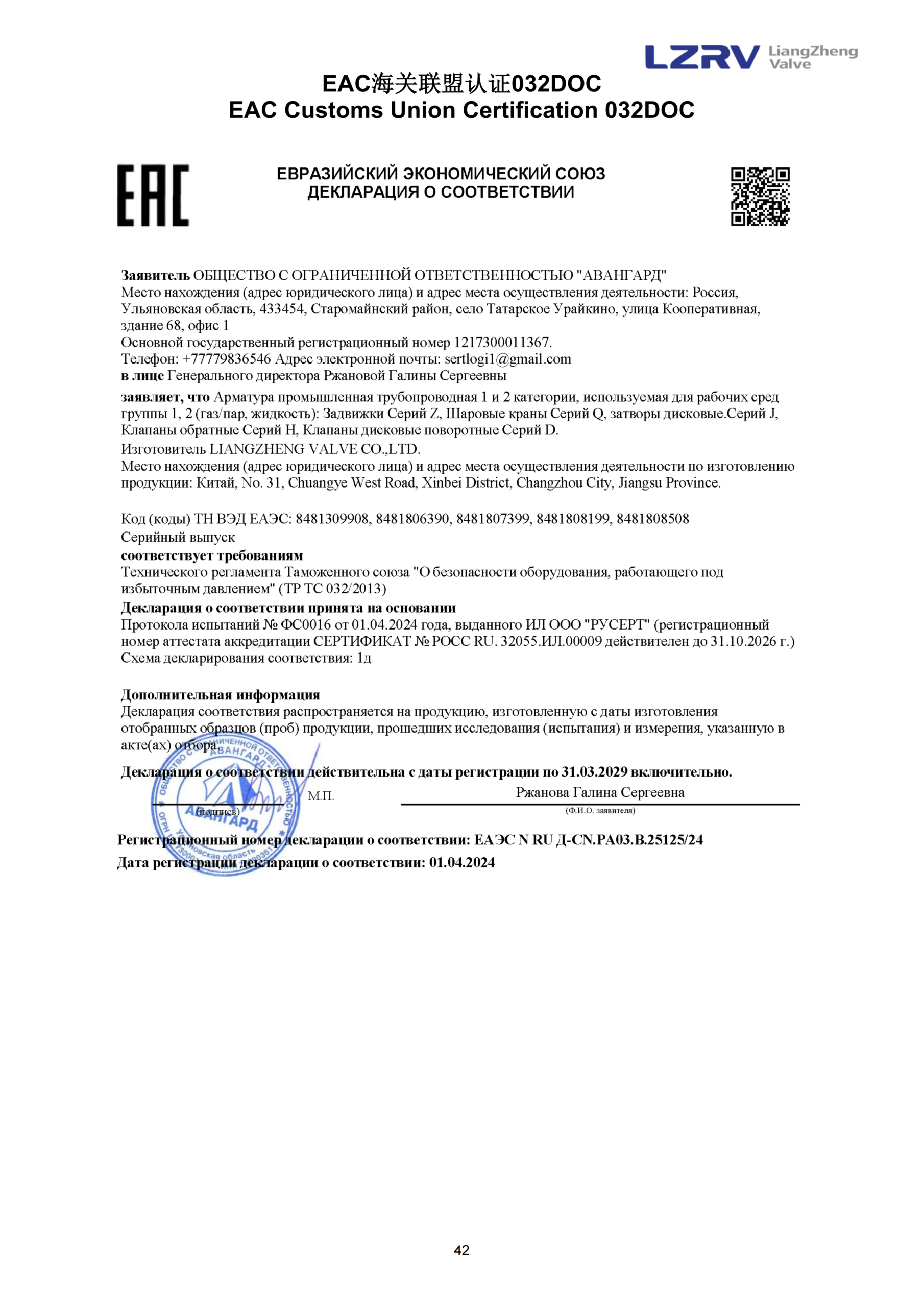
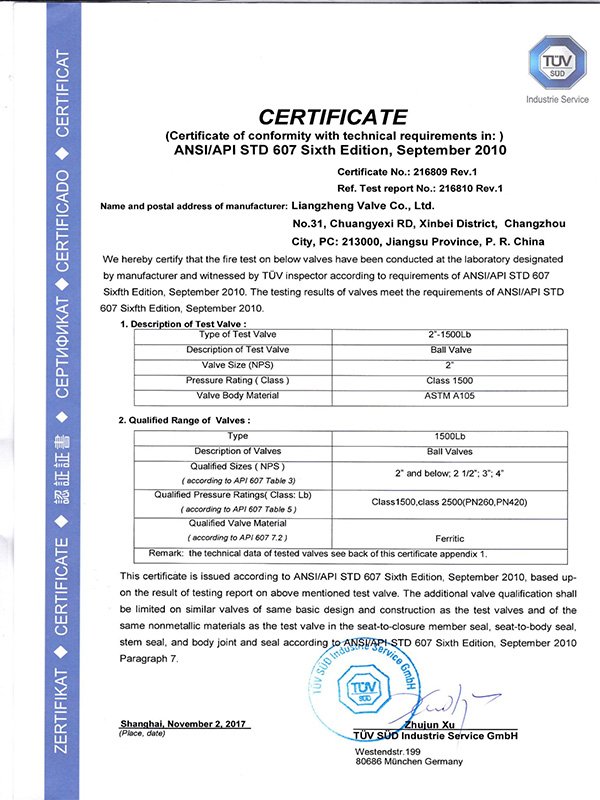
Longz has obtained ISO 9001 international quality management system certification, ISO 14001 environmental management system certification, API certification from the American Petroleum Institute, and other certificates confirming that its products meet domestic and international authoritative quality standards. The company also holds more than 50 invention patents and technology innovation patents.
Classification of steam trap valve product
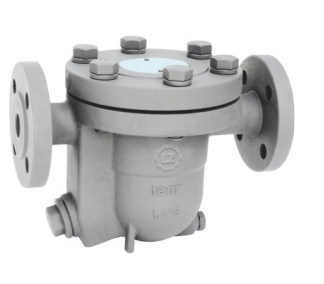
The BELL FLOAT INVERTED BUCKET STEAM TRAP is highly adaptable to the amount of condensate produced. It can either discharge intermittently or continuously. It is equipped with a large-displacement double-valve-seat differential pressure mechanism and an SCCV closing system. It is small in size but has a large discharge capacity.
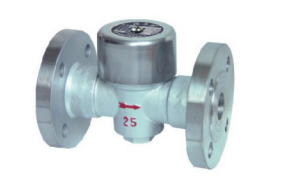
This disc steam trap is small in size and light in weight. Its overall structure is compact, and during installation, it is basically not restricted by the installation location or space conditions. The layout is more flexible and convenient.

FREE FLOAT STEAM TRAPS utilize the principle of buoyancy. The float rises and falls according to the amount of condensate water, adjusting the opening degree of the valve seat hole automatically and continuously discharging the condensate water.

- certificate
- Dimension Chart for Steam Trap Valves
| Dimensions | |||
|---|---|---|---|
| L | H1 | H2 | W |
| 138 | 72 | 94 | 103 |
| 138 | 72 | 94 | 103 |
| 210 | 72 | 94 | 103 |
| 138 | 72 | 94 | 103 |
| 138 | 72 | 94 | 103 |
| 210 | 72 | 94 | 103 |
| 210 | 72 | 94 | 103 |
| 200 | 93 | 132 | 142 |
| 270 | 93 | 132 | 142 |
| 280 | 93 | 132 | 142 |
After using this steam trap valve for a period of time in actual operation, we observed that the steam leakage phenomenon of this steam trap valve has significantly decreased, and the steam loss has also dropped markedly.
 EngineerMaldives Chemical Company
The traditional heating system used to have problems such as excessive steam consumption and temperature fluctuations. After this steam trap valve was put into use, the amount of steam consumed significantly decreased, the heating temperature became more stable, the efficiency of crude oil transportation improved, and the risk of pipeline corrosion was also noticeably reduced
 PurchaseTurkish Oil Company
The function of the steam trap valve is to automatically remove the condensate water and non-condensable gases such as air from heating equipment or steam pipelines, while not allowing any steam to leak out.
The steam trap valve is generally installed horizontally and should be placed at the lowest point of the steam-using equipment or the location where condensate water gathers. Its function is to automatically remove condensate water and non-condensable gases such as air from heating equipment or steam pipelines, while not allowing any steam to leak out.
This steam trap valve can be selected based on your application scenario, working pressure, temperature, and discharge volume, etc., to suit your needs.