

Pneumatic Ball Valve Manufacturer in China
As an efficient and reliable fluid control device, a pneumatic ball valve operates when the control system sends a signal (such as an electrical signal), causing the solenoid valve to actuate and change the direction of the air path, thereby directing compressed air into the cylinder of the pneumatic actuator. It is also widely used in industries such as petroleum, chemicals, and natural gas.
The application scenarios of pneumatic ball valves

The pneumatic ball valve is mainly used in the chemical industry for raw material feeding operations, control of the reaction process, product discharging operations, and cutting off the pipeline under safety interlock conditions. This valve is powered by compressed air, which drives the ball inside the valve to rotate. Through the rotation of the ball, the flow path is opened or closed, thereby achieving the control of the medium’s on-off.

This pneumatic ball valve can be used in the gas industry for system control connections. It supports rapid opening and closing of the valve via remote control, meets the requirements for pipe section isolation, and has an emergency shut-off function.

This pneumatic ball valve can quickly achieve the cutting, connection and change of the medium flow direction of the pipeline in the oil industry. Through the rapid opening and closing of the valve and the switching of the flow path, this pneumatic valve can be used to segmentally isolate the pipeline system, divide the pipeline into different control sections, and thus effectively control and regulate the medium transportation process.
Rapid Shut-Off Pneumatic Ball Valve for Emergency Isolation
When the line enters an emergency state, you don’t have time to turn the handle. Our pneumatic ball valve can achieve rapid 90-degree opening and closing – from fully open to fully closed within seconds – allowing you to isolate the affected part before a minor fault turns into a complete shutdown, thus preventing the expansion of the fault and isolating the affected pipe section before it gets worse. You can also retain more production capacity of the production line. Even in the reduced-diameter version, the flow channel remains smooth, so the pressure loss on the valve is smaller and the cost of compression is lower.

Your Trusted Pneumatic Ball Valve Supplier In China


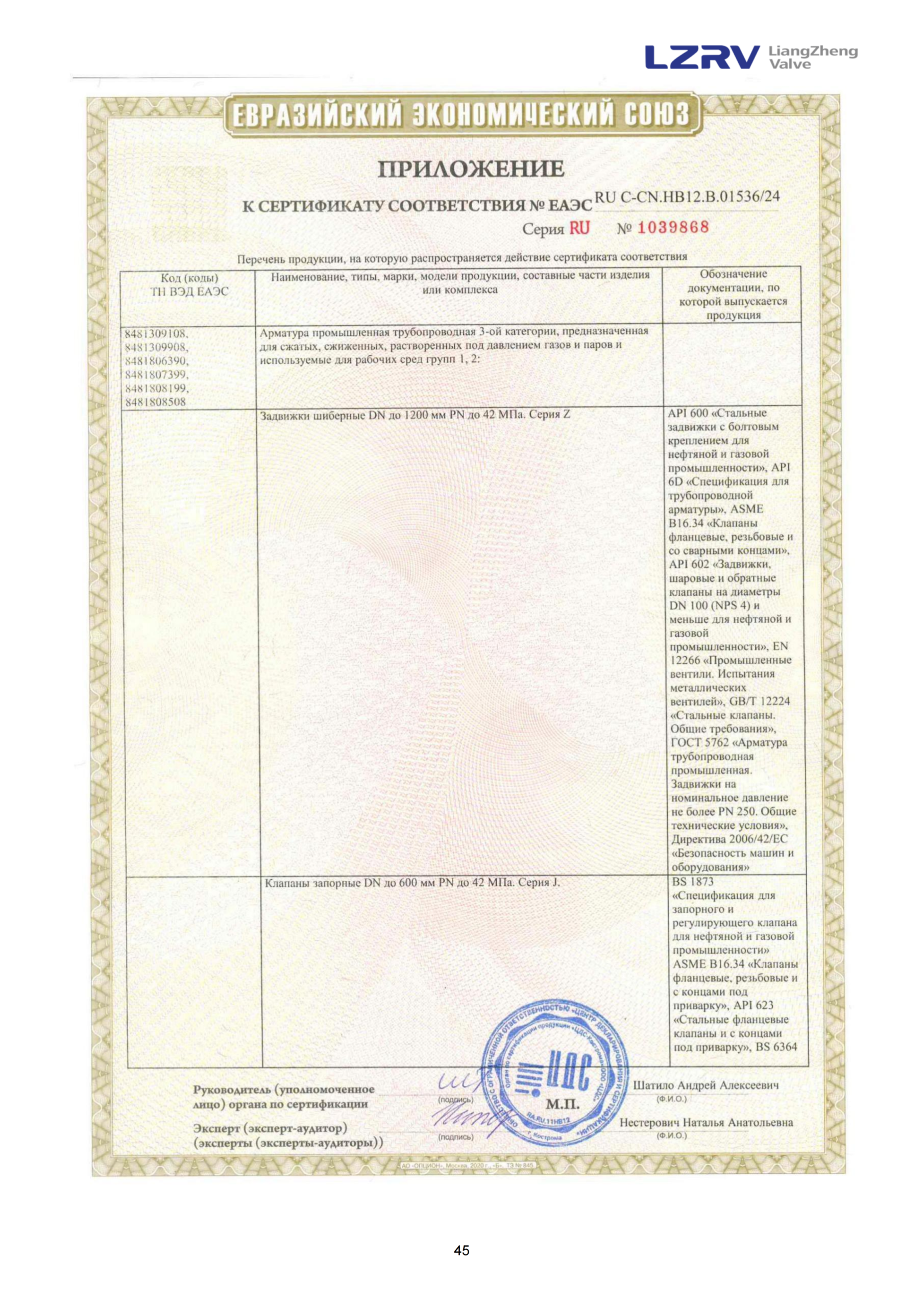
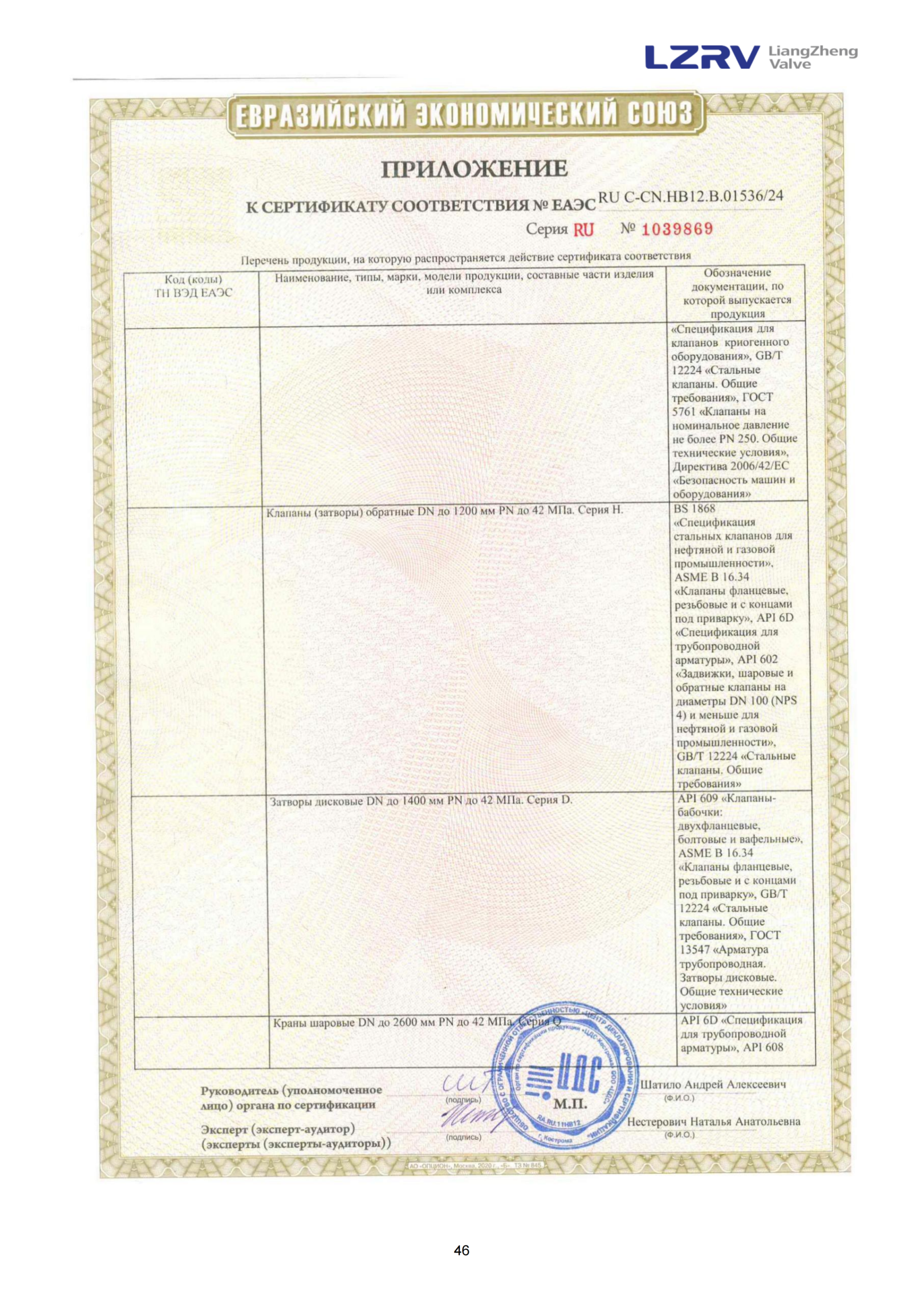
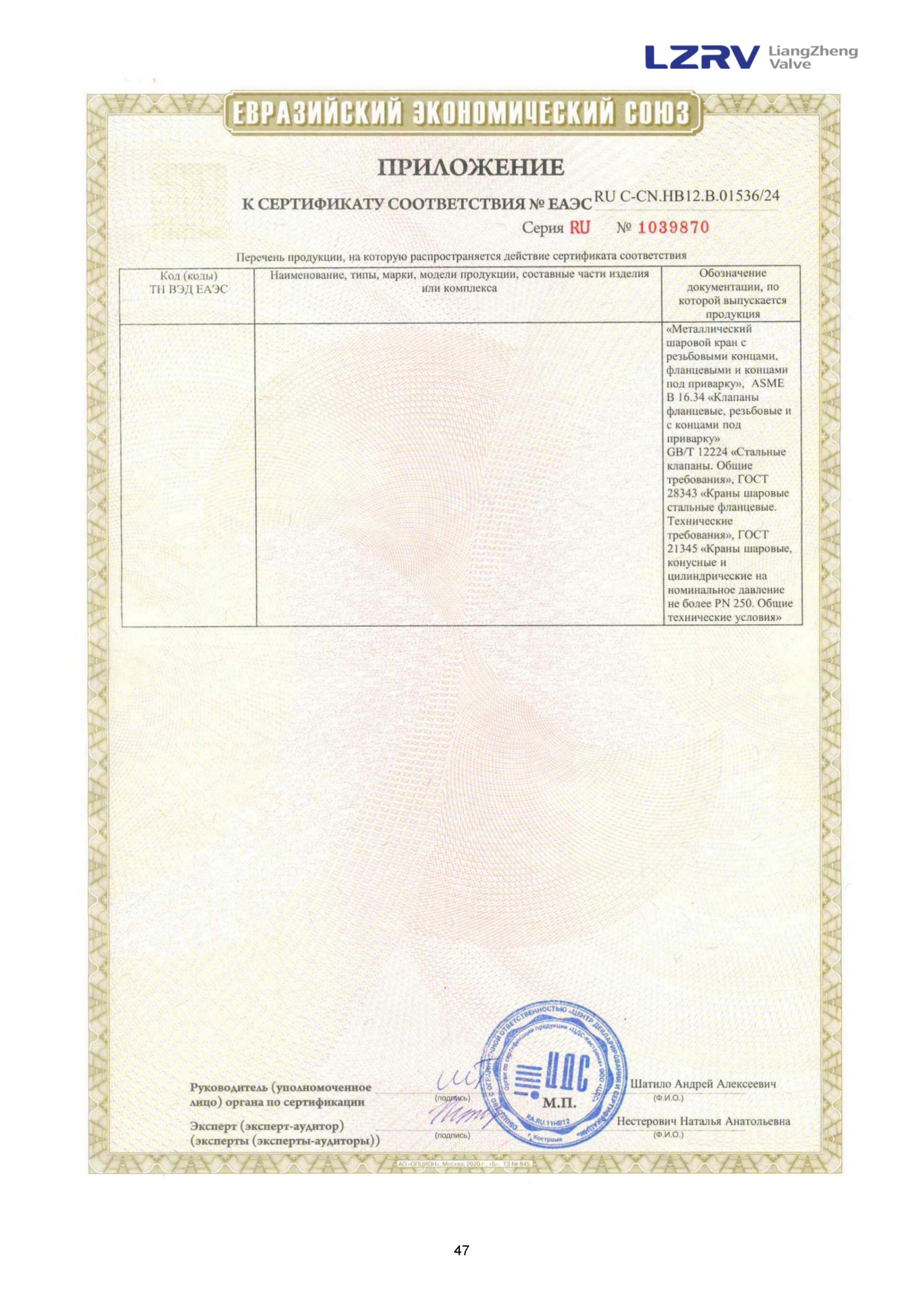
Longz has obtained ISO 9001 international quality management system certification, ISO 14001 environmental management system certification, API certification from the American Petroleum Institute, and other certificates confirming that its products meet domestic and international authoritative quality standards. The company also holds more than 50 invention patents and technology innovation patents.
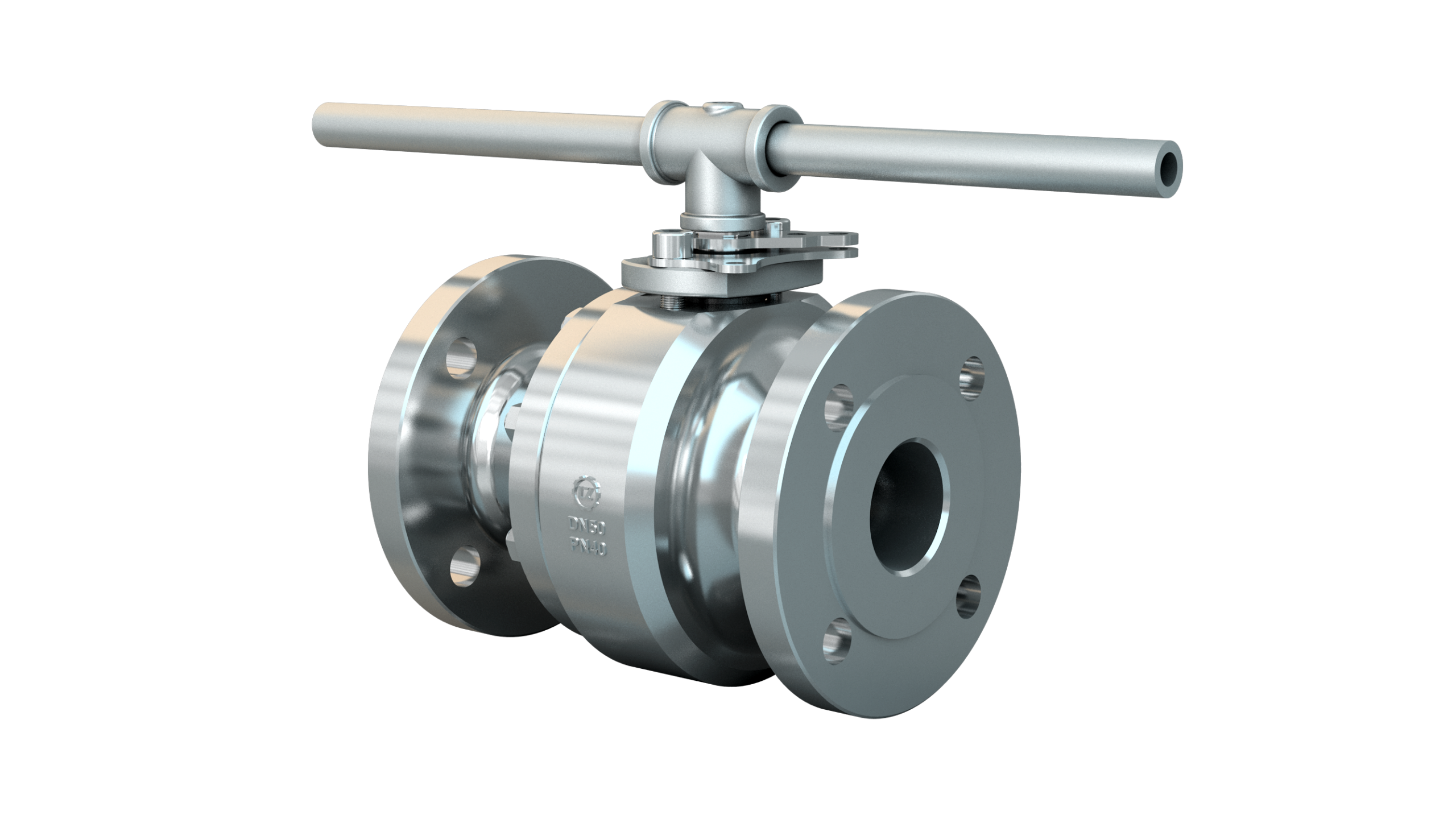
The floating ball valve offers excellent seat sealing performance. The sealing rings are all made of elastic materials such as PTFE. The soft-seal structure helps ensure the opening and closing process. In addition, the sealing force of the floating ball valve increases as the medium pressure rises.
The core of this V-ball valve is specifically designed with a V-shaped notch. When the core rotates relative to the hard-sealed valve body, a shearing force is generated between the V-shaped notch and the sealing surface. Through this shearing action, fibers can be cut off, preventing them from becoming lodged on the core and avoiding jamming.
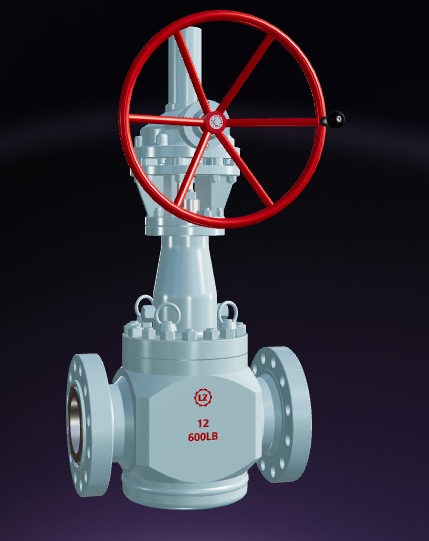
The orbit ball valve features a unique structure and is designed with a new technology that combines a rotating core separation opening/closing method with mechanical compression sealing. Its most prominent advantages are a long service life and low operating torque.

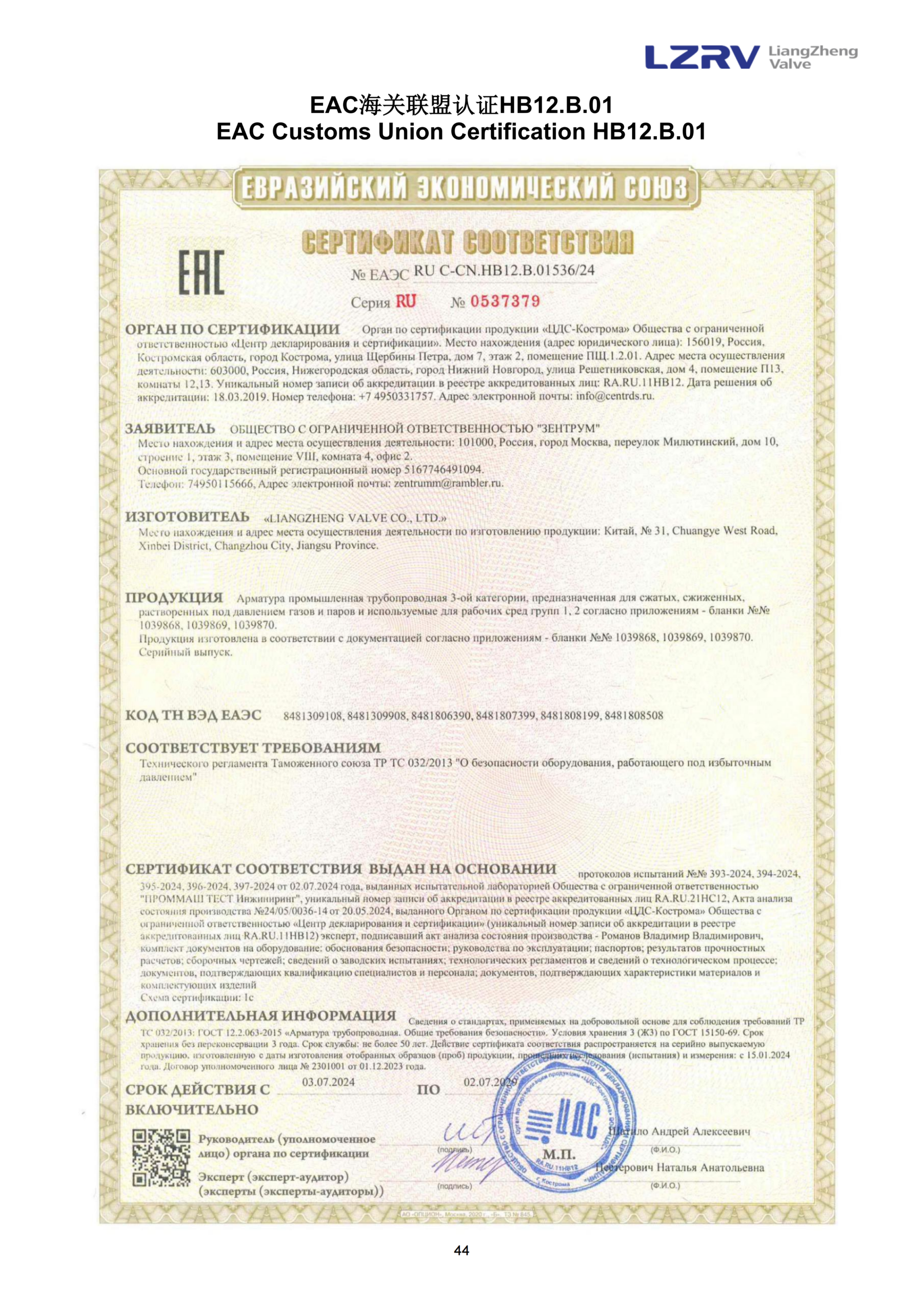
- Certificate
This pneumatic ball valve operates very quickly when we open or close it. The valve opens and closes smoothly, and the process is very fast. It has been in operation for 10 months here and no leakage has occurred during its use
 EngineerSouth African Gas Company
This pneumatic ball valve has a direct flow connection on our pipeline. The resistance coefficient is basically the same as that of a pipeline of the same length, with almost no flow resistance. Its sealing performance is very good in our usage
 Purchasing ManagerSpanish Chemical Company
The air-operated ball valve is a complete assembly consisting of an air actuator and the ball valve body. It is driven by clean compressed air to rotate the actuator, which in turn causes the ball to rotate, thereby achieving full opening or full closing of the pipeline. The compressed air enters the cylinder and pushes the piston to move linearly. The piston is converted into the rotational motion of the valve stem through a gear rack or a shift fork mechanism, and the valve stem then drives the ball to rotate.
When this pneumatic ball valve is fully open, the through-hole of the ball body is in the same direction as the pipeline, and the medium flows directly through; the flow resistance is extremely small. When it is fully closed, the ball body rotates 90°, and the spherical surface seals the flow path, with the valve seat and the spherical surface fitting tightly to block the medium. The ball valve belongs to an angle-travel valve, and there are only two stable states: fully open or fully closed. The sealing is achieved by the compression of the valve seat and the spherical surface.
The ball valve itself is bidirectional sealed, and the flow direction of the medium is generally unrestricted. However, for models with V-shaped adjustment, jacketed insulation, or one-way sealing structures, they should be installed according to the arrow direction on the valve body. The actuator should be installed as high as possible or horizontally to avoid condensation water and impurities accumulating at the bottom of the cylinder when it is placed upside down.