

Diaphragm valve Manufacturer in China
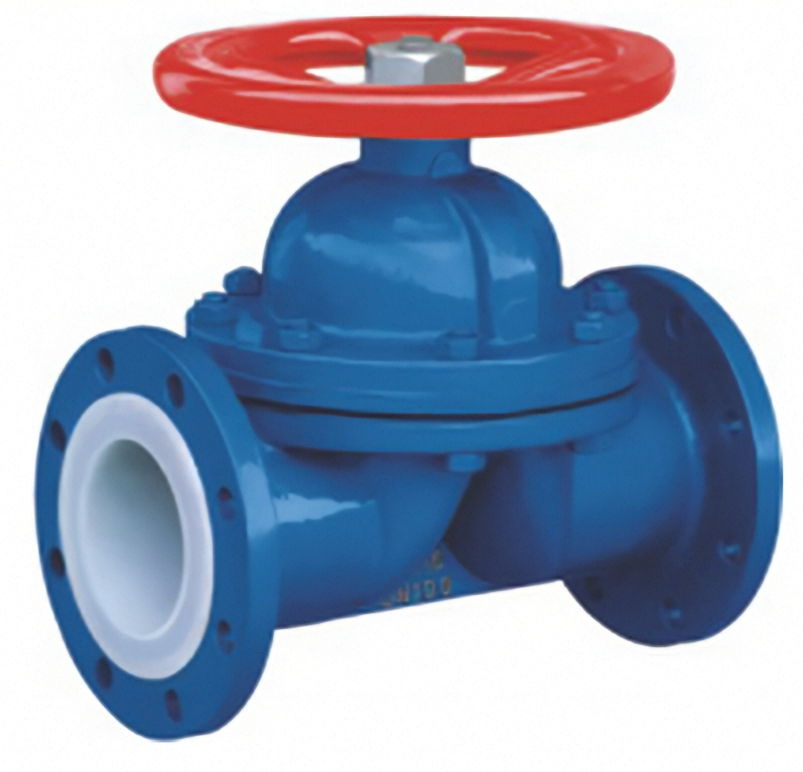
Our long-type diaphragm valves are widely used in industries such as chemical, petroleum and power. The pipe diameter range is from DN15 to DN300, with nominal pressure PN0.6 – 1.6 (MPa). They are particularly suitable for transporting media containing particles, fibers or high viscosity. The unique structural design of this diaphragm valve has significant advantages, such as being able to isolate the actuator from the medium channel, having a simple structure, low fluid resistance, and no packing leakage.

The valve seat of this Diaphragm sludge discharge valve is of a flat-bottom structure. The sealing surface is coated with ceramic, which has extremely strong resistance to corrosion and erosion, and can prevent the accumulation of garbage. It can be used for a long time. There are screw holes reserved on the top of the cover and the side of the valve body. The pressure source enters and exits the upper and lower control chambers through the control pipelines respectively.

The valve body and cover of this Electric diaphragm valve are separated by an intermediate diaphragm, ensuring that the valve cover, valve stem and other components above the diaphragm are not eroded by the medium. As the sealing element is a flexible rubber diaphragm, it also has good sealing performance and low closing force.

The Y filter is a small-sized device used to remove a small amount of solid particles from the pipeline medium. It can protect the normal operation of the equipment. When the fluid enters the filter housing with a certain specification filter screen, the impurities are blocked, and the clean medium fluid is discharged from the filter outlet.
Sealed, Smooth, Serviceable: Inside the Longz Diaphragm Valve
Our Longz diaphragm valve has the diaphragm clamped between the valve body and the valve cover. The valve stem presses it from the dry side. The medium never comes into contact with the valve stem, valve cover or the actuator. The valve body and diaphragm of this diaphragm valve can be made of various corrosion-resistant materials, making it suitable for strong corrosive media such as strong acids and strong alkalis. In addition, this diaphragm valve has a simple structure with few parts. When the diaphragm is damaged, it can be replaced quickly on-site without having to dismantle the entire valve, making maintenance very convenient. Its flow channel is smooth, without dead corners, and has a large fluid flow capacity and low fluid resistance.
Your Trusted Diaphragm Valve supplier in China


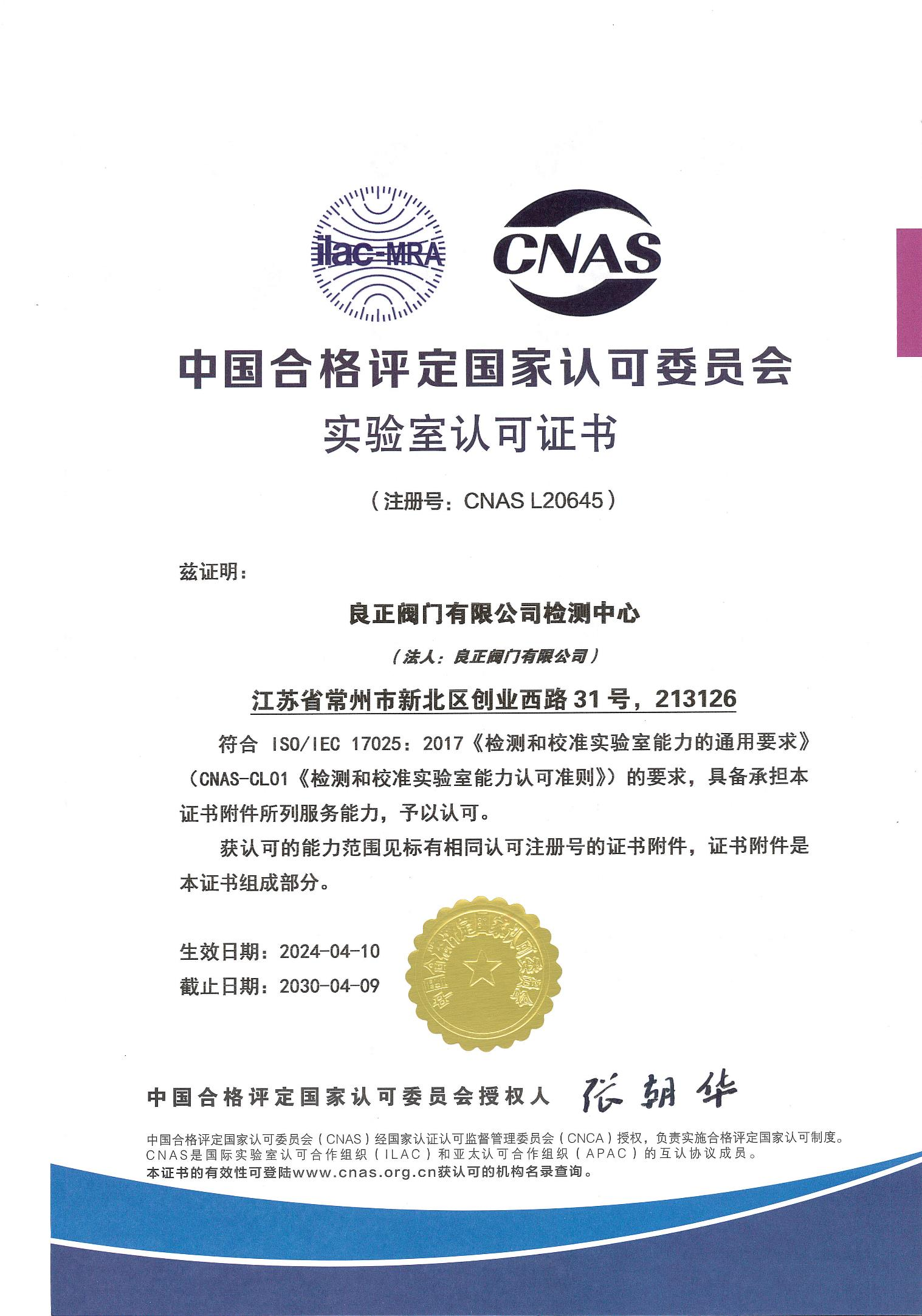
We have applied advanced management concepts to the factory management model. By integrating the UKAS-ISO international quality assurance system with on-site 6S standardized management, from material selection to product completion, the entire process of the products is managed using our independently developed advanced MES intelligent manufacturing management system (LMES) for product processes and quality traceability. This has enabled us to achieve professional, automated, standardized and procedural production organization.
The application scenarios of diaphragm valves
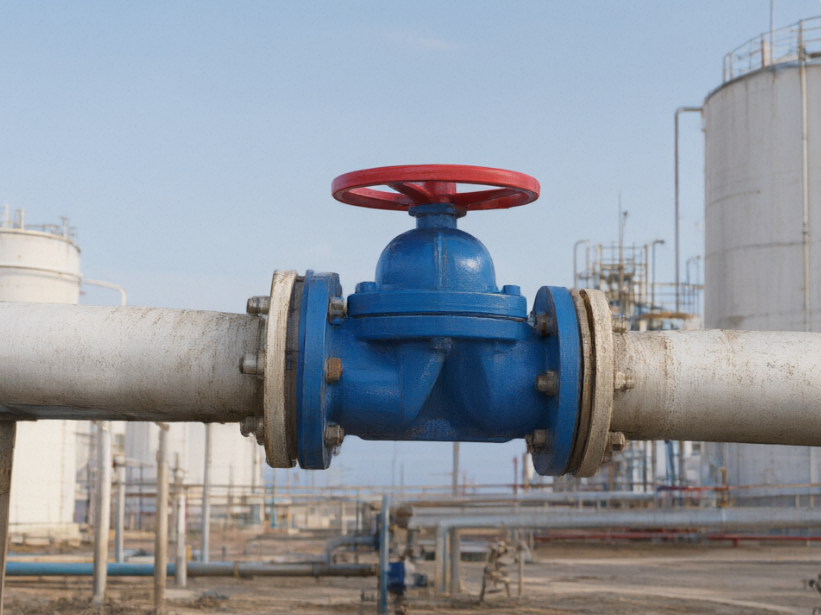
In the chemical industry, the valve body material of our Longz diaphragm valves also includes WCB, CF8, CF8M, etc. It can handle various highly corrosive media due to the excellent corrosion resistance of its diaphragm material.

In the petroleum industry, our longz diaphragm separates the inner cavity of the valve body from that of the valve cover. The valve stem and the internal components of the valve cover do not come into direct contact with the medium, thus avoiding corrosion and wear, and eliminating the need for the traditional valve’s packing seal structure to achieve the regulating function.
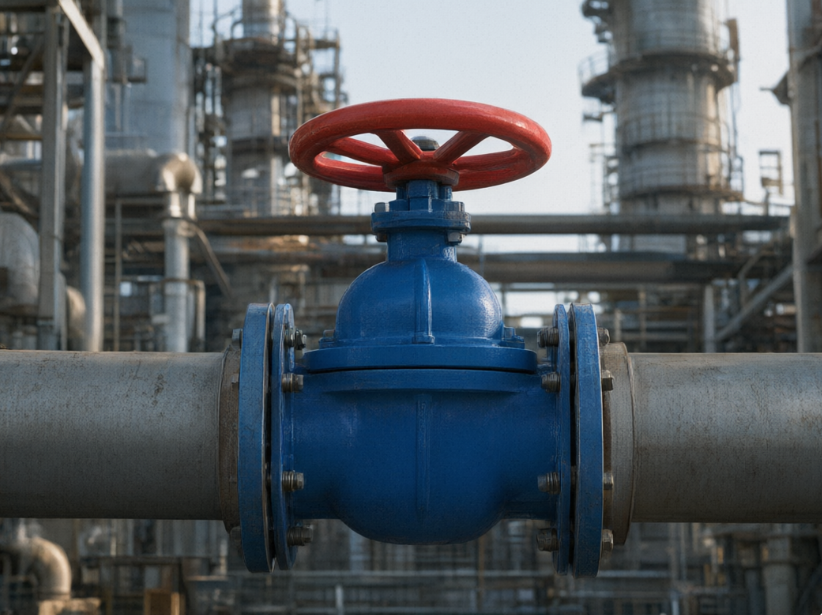
In the power industry, the diaphragm of our Longz diaphragm valve separates the medium from the valve stem and packing, making it suitable for common media such as demineralized water, acids, and alkalis in power plants. The direct-through structure also facilitates the handling of particles-containing or viscous fluids.

- certificate
- Dimension Chart for Diaphragm Valves

| Nominal Diameter | Standard Values | Reference Values | ||||||||
|---|---|---|---|---|---|---|---|---|---|---|
| DN (mm) | NPS (inch) | L | D | D1 | D2 | f | Z-φd | Do | H | Kg |
| PN1.0MPa | ||||||||||
| 15 | 1/2 | 125 | 95 | 65 | 45 | 3 | 4-φ14 | 120 | 125 | 3.5 |
| 20 | 3/4 | 135 | 105 | 75 | 55 | 3 | 4-φ14 | 120 | 135 | 4 |
| 25 | 1 | 145 | 115 | 85 | 65 | 3 | 4-φ14 | 120 | 145 | 5 |
| 32 | 1 1/4 | 160 | 140 | 100 | 78 | 3 | 4-φ18 | 140 | 155 | 7 |
| 40 | 1 1/2 | 180 | 150 | 110 | 85 | 3 | 4-φ18 | 160 | 170 | 10 |
| 50 | 2 | 210 | 165 | 125 | 100 | 3 | 4-φ18 | 180 | 180 | 13 |
| 65 | 2 1/2 | 250 | 185 | 145 | 120 | 3 | 4-φ18 | 220 | 205 | 20 |
| 80 | 3 | 300 | 200 | 160 | 135 | 3 | 4(8)-φ18 | 240 | 220 | 26 |
| 100 | 4 | 350 | 220 | 180 | 155 | 3.5 | 8-φ18 | 260 | 270 | 37 |
| 125 | 5 | 400 | 250 | 210 | 185 | 3.5 | 8-φ18 | 320 | 340 | 55 |
| 150 | 6 | 460 | 285 | 240 | 210 | 3.5 | 8-φ22 | 360 | 405 | 80 |
| 200 | 8 | 570 | 340 | 295 | 265 | 4 | 8-φ22 | 400 | 470 | 143 |
| 250 | 10 | 680 | 390 | 350 | 320 | 4 | 12-φ22 | 450 | 550 | 255 |
| 300 | 12 | 790 | 440 | 400 | 368 | 4 | 12-φ22 | 500 | 590 | 380 |
This diaphragm valve from Longz can maintain stability even under frequent opening and closing. It has excellent sealing performance and no leakage has been detected. The flow passage is smooth, making it suitable for media containing impurities or with weak corrosiveness. It is also convenient for daily maintenance
 EngineerPolish Power Company
This diaphragm valve features multi-phase flow and wide flow range control with superior accuracy compared to other models. The flow path is simple and the diaphragm can usually be replaced on-site if damaged
 purchasedEgyptian Oil Company
It is achieved by a replaceable elastic diaphragm that simultaneously performs the functions of opening and closing as well as sealing. The diaphragm completely physically separates the valve stem, the actuator, and the medium flow path. The medium only comes into contact with the valve body and the diaphragm, and does not come into contact with the transmission components. Therefore, there is no leakage outside the packing gland, and there will be no contamination of the medium by the lubricant of the actuator or metal debris.
Yes. On the valve body, there is usually a direction arrow indicating the flow of the medium. It should be installed according to the arrow direction to ensure that the medium pressure acts on the correct side of the diaphragm. If the weir-type valve body is installed in the reverse position, the self-drain function will fail, and when closed, the diaphragm will be subjected to a different force direction, resulting in a decrease in its service life.
There is no fixed cycle. It depends on the corrosiveness of the medium, temperature, operation frequency and pressure difference. Under normal conditions, it can be inspected once every half a year to one year. For highly corrosive or high-frequency operation conditions, it is recommended to shorten the inspection interval to every quarter. The diaphragm is a wear-prone component and should be replaced regularly according to the characteristics of the medium.