

Blowdown valve Manufacturer in China
Our blowdown valve is specifically designed for demanding operating conditions: continuous long-term discharge of high-temperature, high-concentration media containing solid particles, with flashing occurring as the medium passes through the seat. The valve features a two-stage throttling internal design that reduces pressure in stages, effectively protecting the seat from erosion and cavitation while minimizing noise and vibration in downstream piping. The hard-faced sealing surface (Stellite weld overlay) ensures tight shut-off even during prolonged operation in highly saline boiler water. This blowdown valve also provides reliable bidirectional gas-tight sealing, preventing continuous loss of water and heat when closed, thereby eliminating the common resource waste issues found in most conventional blowdown valves.

In the chemical industry, low-lying areas tend to accumulate sewage and sand particles. The blowdown valve can discharge the contents from these low-lying areas, removing catalysts, sludge, salt crystals, and bottom deposits to clean up impurities. Before equipment maintenance, by using the blowdown valve to drain all the residual liquid in the system, it can reduce the risk of leakage during the maintenance process and create safer conditions for subsequent maintenance operations.

In the gas industry, low-lying areas tend to accumulate sewage and sand particles. The blowdown valve can be regularly used for discharging these accumulated substances, allowing them to be promptly removed. This helps to reduce corrosion, blockages, and equipment wear caused by the accumulation of sewage and sand particles. Additionally, the blowdown valve can also discharge liquid and impurities, preventing these substances from affecting the downstream equipment and thus playing a role in protecting the downstream equipment.

The main function of the blowdown valve in the oil industry is to discharge impurities such as water and sand. It is used to remove the water and impurities deposited at the bottom of the tank, preventing these impurities from being mixed into the finished oil and thus avoiding any adverse impact on the quality of the finished oil. In addition, this valve can also completely discharge and remove the residual oil and sewage at lower levels, providing convenient conditions for subsequent equipment maintenance or replacement of equipment components.
The Higher the Pressure, the Tighter the Seal
Our blowdown valve features a dual-sealing system that works in synergy:
The hard seal of the blowdown valve resists wear;
The metal sealing surface withstands abrasive discharge loads, resisting erosion and pitting, thereby maintaining the seat geometry over the long term—far beyond just the initial few hundred cycles.
The soft seal of the blowdown valve:The embedded O-ring sealing line effectively removes particulate matter from the seat contact area and fills micro-gaps that cannot be eliminated by hard sealing alone.
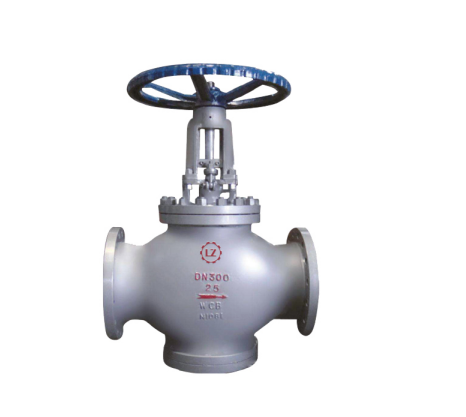
Your Trusted blowdown valve supplier in China
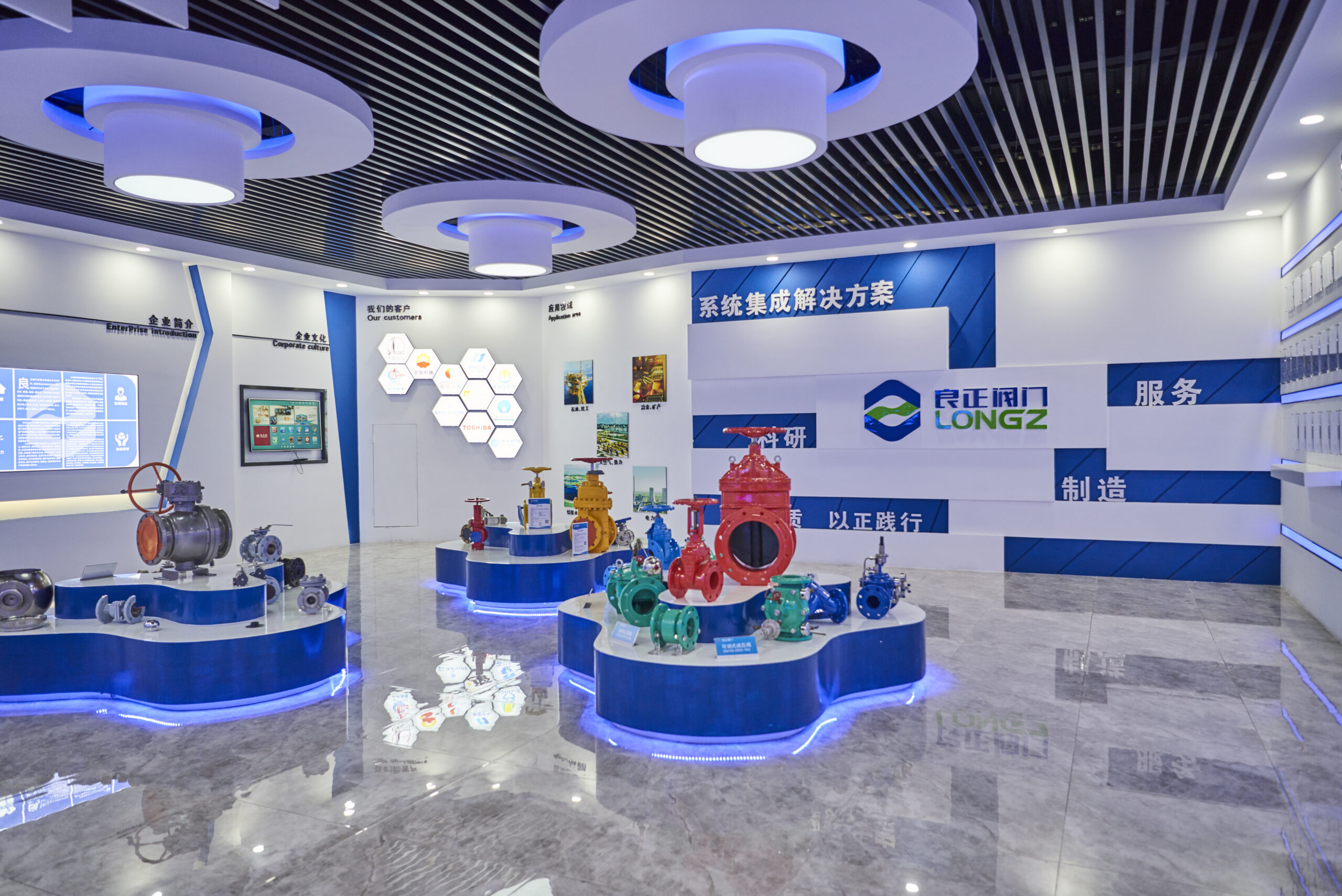

As a professional valve manufacturer, Longz has accumulated over 20 years of design and manufacturing experience. Our production base covers a total area of 100 mu (approximately 6.7 hectares). Committed to innovation-driven development, we have established a CAD valve design center, a 3D simulation and manufacturing design system, as well as a valve testing center and experimental platform. These facilities help optimize product structures and ensure both quality and efficiency in the research, development, and production of new products.
various types of Our blowdown valve

BALL-TYPE BLOWDOWN VALVE: This valve has a circular hole in the ball as the opening and closing component. The ball rotates with the valve stem to achieve the opening and closing action. It is mainly used as an opening and closing device for discharging wastewater from steam boilers. It operates flexibly and opens and closes quickly.
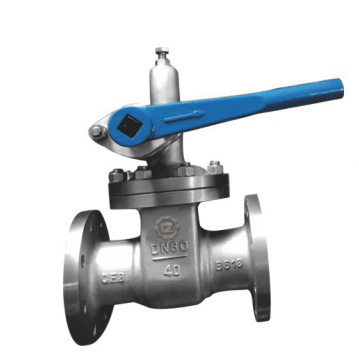
The valve body and valve cover of QUICK BLOWDOWN VALVE are connected by a clamp-type connection. The structure is compact, easy to disassemble, convenient for installation, and the branch pipe is welded. The medium of QUICK BLOWDOWN VALVE flows from the branch pipe and discharges downward. The valve disc is of piston structure and undergoes boronization treatment. It is corrosion-resistant and resistant to erosion. It has a long service life.

The valve with clamping mechanism can be installed at any position on the pipeline without restrictions on the direction of medium flow.This VALVE WITH A CLAMPING MECHANISM has low maintenance costs, as it does not require periodic replacement of valve seats, packing seals, or other necessary components.

- Size chart for the blowdown valve.
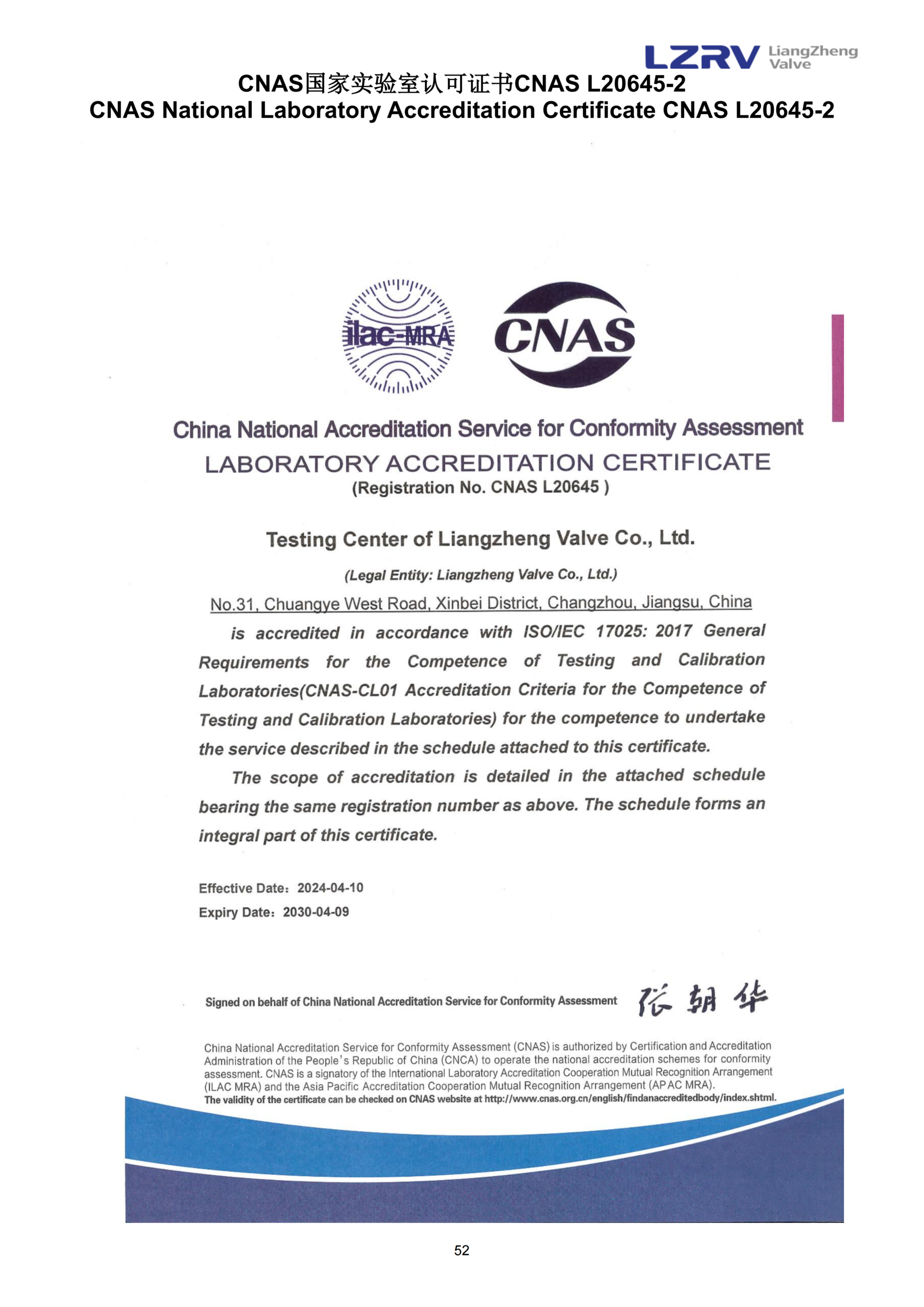
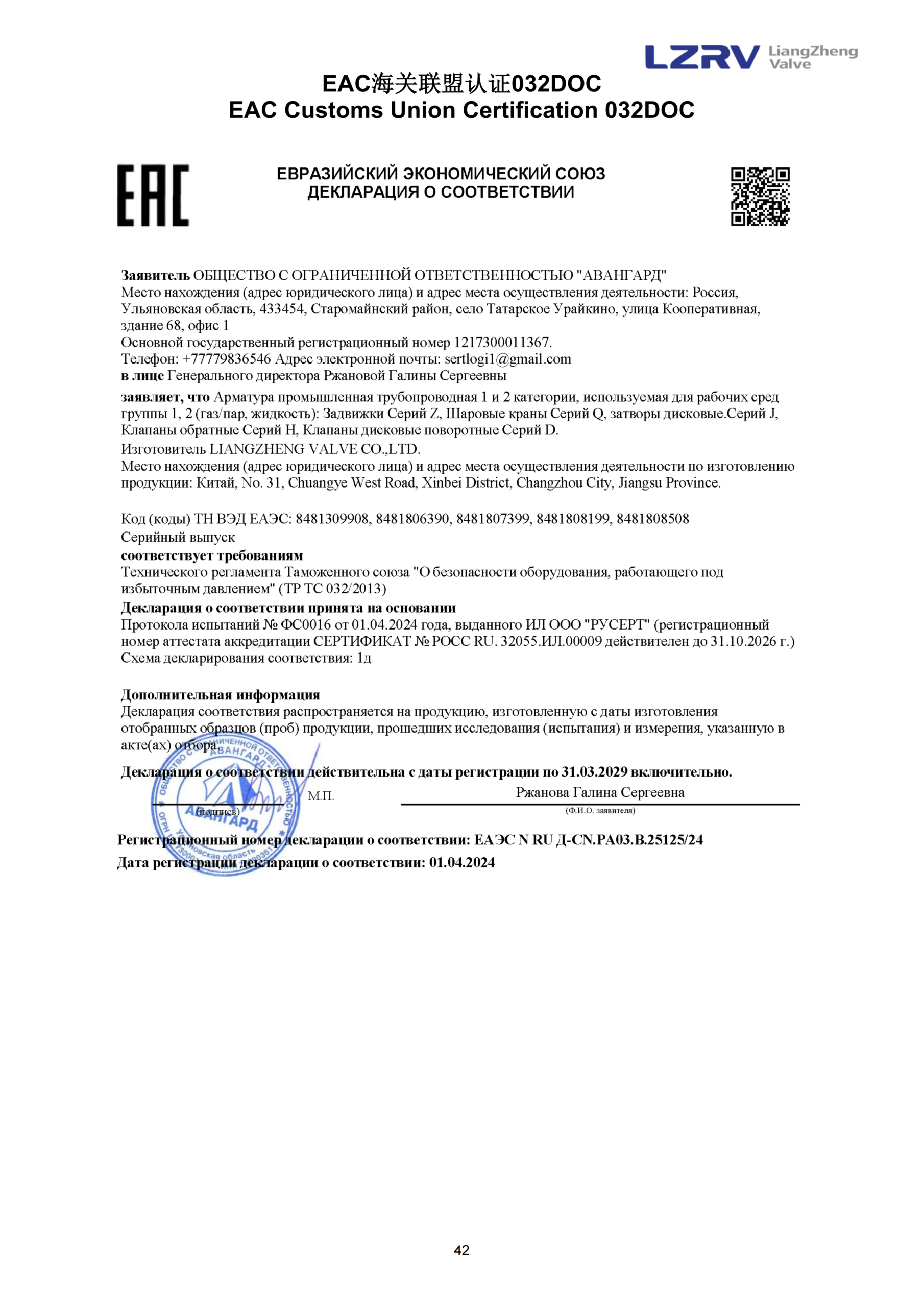
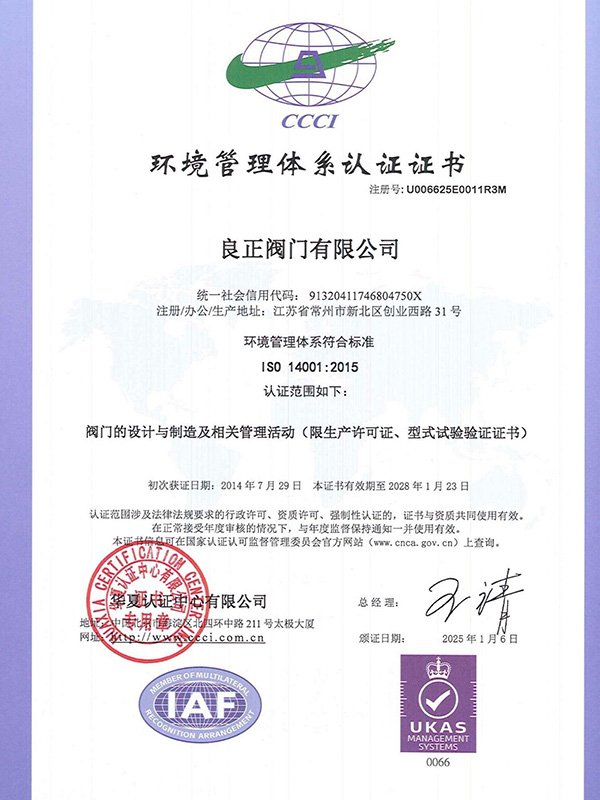
- certificate
| PN (MPa) | DN (mm) | (mm) | |||
|---|---|---|---|---|---|
| L | H | H1 | D0 | ||
| 1.6 | 25 | 216 | 243 | 86 | 180 |
| 40 | 230 | 265 | 108 | 250 | |
| 50 | 230 | 346 | 115 | 250 | |
| 80 | 310 | 409 | 146 | 300 | |
| 100 | 350 | 433 | 163 | 300 | |
| 150 | 480 | 521 | 202 | 350 | |
| 200 | 600 | 594 | 292 | 350 | |
| 250 | 730 | 621 | 355 | 400 | |
| 2.5 | 25 | 216 | 243 | 86 | 180 |
| 40 | 230 | 265 | 108 | 250 | |
| 50 | 230 | 346 | 115 | 250 | |
| 80 | 310 | 409 | 146 | 300 | |
| 100 | 350 | 433 | 163 | 300 | |
| 150 | 480 | 521 | 202 | 350 | |
| 200 | 600 | 594 | 292 | 350 | |
| 250 | 730 | 621 | 355 | 400 | |
| 4.0 | 25 | 216 | 243 | 86 | 180 |
| 40 | 230 | 265 | 108 | 250 | |
| 50 | 230 | 346 | 115 | 250 | |
| 80 | 310 | 409 | 146 | 300 | |
| 100 | 350 | 433 | 163 | 300 | |
| 150 | 480 | 521 | 202 | 350 | |
| 200 | 600 | 594 | 292 | 350 | |
| 250 | 730 | 621 | 355 | 400 | |
We have been using this Longz blowdown valve on our boiler lines for four consecutive years. Despite daily blowdown operations, high-temperature steam, and cold winter startups, we have not experienced any sticking or leakage at the sealing surfaces. This reliability has extended our maintenance intervals—our team no longer needs to disassemble valves for routine inspections. The handle always turns smoothly with every operation. Its consistent performance gives us peace of mind and eliminates concerns altogether.
 EngineerPalestine Chemical Company
Sealing is where this Longz blowdown valve has earned our trust. After months of daily blowdowns on our boiler, the seat still closes tight — we haven’t seen the leakage or pressure drop we used to get from other valves. Impurities in our feedwater haven’t scored the sealing face, and the handle still turns without effort. When we open it, sludge and solids clear out on the first pass instead of building up in the vessel
 EngineerChilean Gas Company
It cannot be selected only based on the pipe size. The required diameter should be calculated based on the design flow rate of the discharge pipe, the flow velocity of the medium, and the allowable pressure drop. Then, the standard nominal diameter should be taken. The discharge valve usually requires short-term large flow discharge. A smaller diameter will result in incomplete discharge, while a larger diameter will increase costs and affect the reliability of sealing.
Yes, there is a requirement. The sewage valve should be installed at the lowest point of the sewage pipeline, with the valve stem kept vertical upwards. This is to facilitate the discharge of impurities along with the medium and to avoid residue accumulation in the valve chamber. Installing it at an angle will cause accelerated wear on one side of the valve seat, and over time, it is prone to problems such as poor sealing.
The materials of our Blowdown valve include HT250, QT400-15 and WCB, etc
Blowdown valve anti-erosion design
Under high-pressure differential conditions such as boiler blowdown, the fluid flowing through the valve is prone to cavitation, that is, the local pressure of the liquid drops below the saturated vapor pressure, forming bubbles, and then the bubbles collapse, generating shock waves, which cause erosion and damage to the valve material. To solve this problem, blowdown valves often adopt multi-stage pressure reduction technology, by setting multiple throttling holes to gradually reduce the pressure, avoiding the generation of cavitation due to sudden pressure drop. In addition, the use of angle-type structural design can also effectively consume the medium energy and reduce the impact of cavitation.
Blowdown valve anti-corrosion measures
The blowdown medium often contains a large amount of solid particles (such as sludge, iron oxide), and the high-speed flowing particles will cause severe erosion to the valve sealing surface and internal flow channels. To address this issue, the valve internals (such as valve cores and valve seats) of the blowdown valve usually undergo surface hardening treatment with high-hardness materials (such as Stellite alloy, tungsten carbide). At the same time, by optimizing the flow channel design, such as using cage-type throttling devices or guide seats, the sealing area and throttling area are separated to prevent the high-speed fluid from directly impacting the sealing surface.